
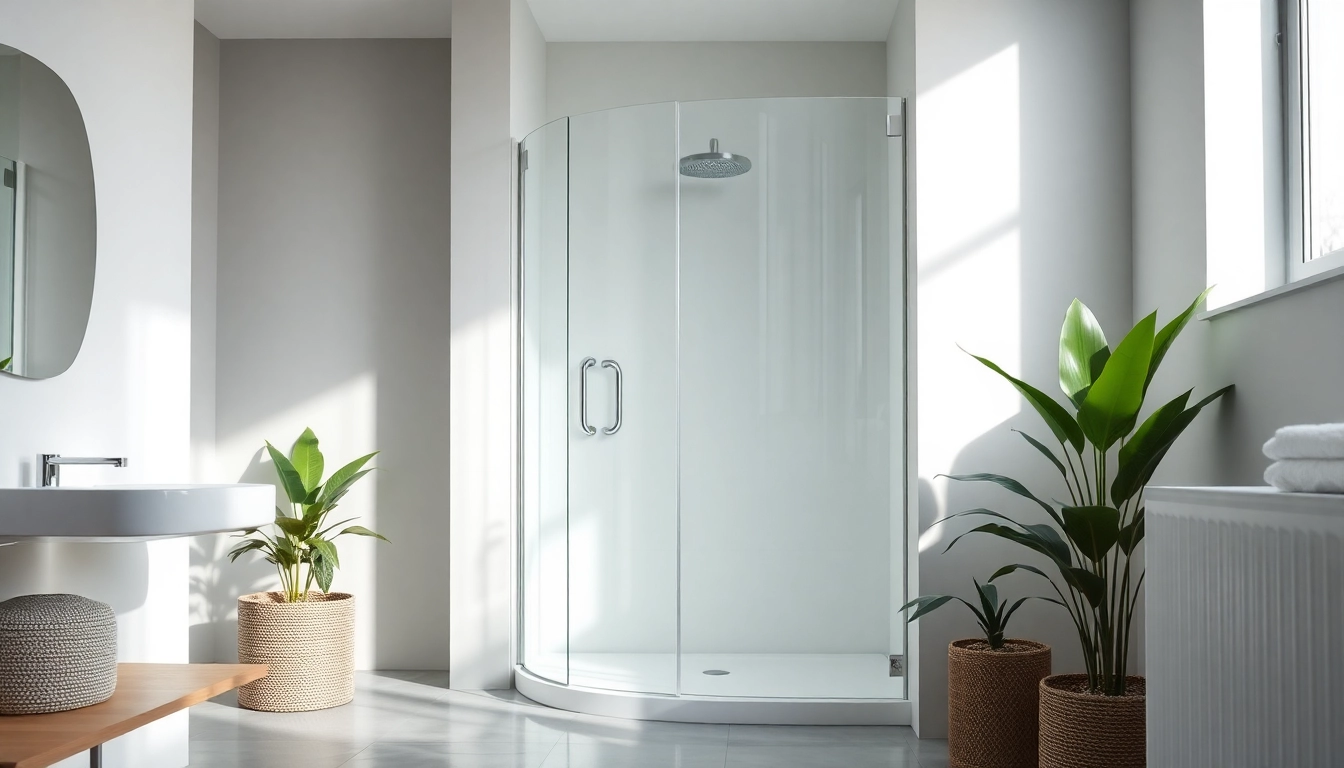
Understanding Shower Screen Door Types
When considering bathroom renovations or opting for a fresh design, a crucial component is the shower screen door. The variety available can be overwhelming, with each type offering unique advantages. To assist you in making an informed decision, we will delve into the different types of shower screen doors available in the market, discussing their characteristics, benefits, and ideal applications.
Frameless Shower Screen Door Options
Frameless shower screen doors present a sleek, modern aesthetic that creates an open and spacious feel in a bathroom. These doors are made from thick tempered glass, which provides durability while eliminating bulky metal framing. The absence of frame contributes to a clean and minimalist appearance, allowing light to flow freely within the space. Additionally, frameless options offer flexibility in design, allowing for customized shapes and sizes tailored to your specific needs.
Framed Shower Screen Door Benefits
Framed shower screen doors provide a sturdy structure that many homeowners appreciate. The frame, often made of aluminum or stainless steel, offers enhanced support and can come in various finishes to complement your bathroom decor. These doors are typically more affordable than their frameless counterparts, making them a great option for those on a budget. Furthermore, framed options can help prevent water leakage due to their fitted design, creating a more effective water barrier.
Bi-Fold vs. Sliding Shower Screen Doors
Choosing between bi-fold and sliding shower screen doors relies heavily on your bathroom layout and personal preference. Bi-fold doors are a great option for compact spaces as they fold inwards, maximizing your usable bathroom space. They function well in small bathrooms or ensuites where every inch counts. On the other hand, sliding shower screen doors glide open along tracks, which can be ideal for larger spaces. They offer a stylish look while being incredibly functional, particularly in walk-in showers.
Factors to Consider When Selecting a Shower Screen Door
Selecting the right shower screen door is essential for functionality and aesthetic appeal. Several factors come into play when making your choice, from practical considerations to design compatibility.
Space Efficiency for Smaller Bathrooms
Bathrooms come in various sizes, and maximizing space is crucial, especially in smaller rooms. If you have limited space, consider bi-fold shower screen doors which fold neatly out of the way, allowing for easier access. Sliding doors are also a practical solution as they don’t require additional space to swing open, thus maintaining the flow of your bathroom area.
Style Compatibility with Bathroom Design
Your shower screen door should harmonize with your bathroom’s overall design theme. For contemporary or minimalist designs, a frameless door can impart a sleek look while accentuating other features. Conversely, if your bathroom has a classic aesthetic, framed doors with ornate finishes can enhance the elegance of your space. Take into account the color scheme, tile choices, and fixtures when selecting your shower screen door to ensure cohesive design.
Durability and Maintenance Requirements
The durability of your shower screen door is important, especially in high-moisture environments. Tempered glass is a popular choice due to its strength and safety features, effectively resisting breakage compared to standard glass. Maintenance is also a consideration; frameless designs require regular cleaning to maintain clarity and prevent water spots, whereas framed doors might have seals that require occasional replacement to avoid mold build-up.
How to Measure for Your Shower Screen Door
Accurate measurements are critical in ensuring your shower screen door fits appropriately. Taking the time to measure correctly can save you from costly mistakes and installation headaches.
Accurate Measurements for Fit
To get accurate measurements, start by measuring the width and height of the shower opening. Take measurements at multiple points to account for any inconsistencies, especially if your walls are not perfectly straight. Clinching measurements will help ensure that your door fits snugly and prevents leaks.
Common Measuring Mistakes to Avoid
Common errors during measurements include not measuring at the widest or tallest points, overlooking the angle of walls, or miscalculating the slope of the floor. Always double-check your figures, and consider writing them down in a checklist format for reference during the installation process.
Tools Needed for Precise Measurements
For accuracy, you will need a measuring tape, level, and possibly a square for corner checks. Having a helper can also be beneficial to ensure measurements account for all angles and surfaces accurately. Additionally, a notebook or app can be handy for recording your data systematically.
Installation Tips for Shower Screen Doors
Installing a shower screen door can be a rewarding DIY project, or it can be a job for professionals, depending on your confidence and skill level. Here are insights to guide you through the process, whether you are doing it yourself or hiring an expert.
DIY Installation vs. Professional Help
While some homeowners may choose to install shower screen doors themselves, it can often become complicated due to the weight of the glass and the precision required for measurements. While DIY installation can save you money, consider professional help for more intricate designs or heavier materials to avoid potential mishaps.
Step-by-Step Installation Guide
1. Gather Materials: Ensure you have everything you need, including the shower screen door, screws, anchors, and a level.
2. Prepare the Area: Clean the area where the door will be installed.
3. Measure and Mark: Mark where the hinges and track will go using your measurements.
4. Install the Track or Hinges: Start by securing the bottom track in place or marking the hinge spots for framed doors.
5. Hang the Door: With help, lift the door into position and attach securely.
6. Test for Fit: Open and close the door to ensure smooth movement and proper seal.
Ensuring a Proper Seal and Fit
Ensuring a proper seal is crucial to avoid leaks and water damage. When installing, make sure that the door sits flush against the walls and that there are no gaps at the bottom or sides where water could escape. Use silicone sealant if necessary to fill any gaps and prevent moisture buildup behind the door.
FAQs About Shower Screen Doors
What materials are shower screen doors made of?
Shower screen doors are primarily constructed from tempered glass, which offers safety and strength. Frames may be made from materials like aluminum or stainless steel to enhance support and aesthetics.
How do I clean my shower screen door?
Cleaning typically requires a gentle glass cleaner and a soft cloth. For stubborn stains, a vinegar-water mixture is effective while being non-scratching for the glass surface.
Can a shower screen door be customized?
Yes, many shower screen doors can be customized for size, design, and finishes, allowing them to fit seamlessly into your unique bathroom aesthetic.
Are shower screen doors easy to replace?
Replacing a shower screen door can be relatively straightforward, but hiring a professional is often recommended for proper installation and ensuring that it fits perfectly.
How much do shower screen doors typically cost?
Shower screen door prices vary widely based on size, style, and customization options, typically ranging from £100 to £1000 or more. Consider budgeting for installation as well.