
Understanding Human Rights and Their Importance
Definition of Human Rights
Human rights are the fundamental rights and freedoms to which all individuals are entitled, regardless of nationality, sex, ethnicity, language, or any other status. These rights encompass a broad range of protections, including the right to life, liberty, education, and expression. Most importantly, they serve as an essential foundation for a just society, promoting dignity and equality. As we navigate the complexities of global challenges, understanding these rights is crucial, catalyzing efforts to uphold and protect them as universal entitlements, rather than privileges. To explore more about the implications of these rights, check out this insightful piece on Human Rights.
Historical Context and Evolution
The concept of human rights has evolved significantly over centuries, shaped by various cultural, social, and political influences. Since ancient times, notions of justice and ethics have driven societies to consider the inherent rights of individuals. The Magna Carta in 1215, the American Declaration of Independence in 1776, and the French Declaration of the Rights of Man and of the Citizen in 1789 laid early foundations for human rights in Western thought. Post-World War II marked a pivotal moment with the establishment of the Universal Declaration of Human Rights in 1948, which sought to prevent the atrocities experienced during the war. This document not only set a global standard but also recognized the interconnectedness of all humans, thus cementing the notion that human rights transcend borders.
Global Significance of Human Rights
Human rights are crucial on a global scale as they underpin peace, democracy, and development. They serve as guiding principles for international law and hold governments accountable to their citizens. By fostering respect for human rights, societies can cultivate stable and inclusive environments where individuals can thrive without fear of persecution or discrimination. Furthermore, the establishment of international agreements—such as treaties and conventions—illustrates a collective commitment to uphold these standards. However, despite the global acceptance of these rights, violations remain widespread, necessitating ongoing vigilance and advocacy from individuals and organizations alike.
Common Challenges in Human Rights Advocacy
Institutional Barriers to Progress
Advocates for human rights often encounter significant institutional barriers that obstruct progress. These can include bureaucratic red tape, lack of political will, and insufficient resources. Governments may resist reforms that threaten their power or control, leading to stagnation in implementing human rights legislation. Additionally, in many parts of the world, judicial systems may be compromised or corrupt, rendering legal protections ineffective. Navigating these barriers requires strategic advocacy and engagement to create momentum for change.
Cultural Sensitivity in Advocacy
Cultural sensitivity is paramount when advocating for human rights. Different societies hold varied views on individual liberties based on cultural norms and religious beliefs. Ignoring these perspectives can result in backlash against human rights initiatives. Therefore, advocates must engage local communities in conversations about human rights, allowing them to express their values and needs. This collaboration can lead to more relevant and accepted advocacy strategies that resonate with local populations and foster greater understanding.
Resource Limitations for Organizations
Many organizations dedicated to human rights advocacy operate with limited resources, which poses challenges in execution and outreach. The reliance on donations, grants, and volunteer efforts can hinder their ability to carry out comprehensive campaigns or respond to urgent situations effectively. This scarcity not only affects immediate actions but also long-term strategic planning. By building networks and partnerships, organizations can pool resources, share knowledge, and amplify their impact within the human rights landscape.
Effective Strategies for Promoting Human Rights
Grassroots Mobilization Techniques
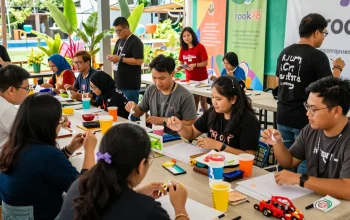
Grassroots mobilization is essential for driving effective human rights advocacy. Engaging communities at the local level empowers individuals to take ownership of issues affecting their lives. This approach includes organizing campaigns, rallies, and educational workshops that raise awareness about human rights. Utilizing local leaders and influencers can facilitate connections and inspire collective action. Furthermore, grassroots movements can create a sense of urgency and visibility, compelling policymakers to take action in response to public demands.
Leveraging Digital Platforms for Awareness
In our digital age, utilizing online platforms for advocacy presents unprecedented opportunities to spread awareness about human rights issues. Social media can connect like-minded individuals globally, allowing the rapid dissemination of information and mobilization of resources. Campaigns can leverage hashtags, create viral content, or host virtual events that engage larger audiences. Organizations must develop a strong online presence and use storytelling techniques to highlight personal experiences, thereby fostering empathy and encouraging action.
Building Coalitions and Partnerships
Building coalitions and partnerships among diverse stakeholders is crucial for amplifying human rights advocacy efforts. Collaborating with other organizations, civil society groups, and community stakeholders creates a unified front that can advocate more effectively for legislative and social change. These alliances can pool resources, expertise, and contacts, enhancing their capacity to influence policy, educate the public, and respond to violations swiftly. Moreover, coalition-building can foster solidarity and mutual support, strengthening the overall movement for human rights.
Evaluating the Impact of Human Rights Initiatives
Metrics for Success in Advocacy
Measuring success in human rights advocacy is crucial for assessing effectiveness and determining future strategies. Developing clear metrics can help organizations evaluate their campaigns’ impacts, including changes in public awareness, policy reforms, or improvements in individual lives. Metrics can encompass both qualitative and quantitative data, such as surveys, case studies, and direct feedback from affected communities. By examining these outcomes, organizations can refine their approaches and ensure accountability to their stakeholders.
Case Studies of Successful Campaigns
Learning from successful human rights campaigns can provide valuable insights for future efforts. One notable example is the global movement against apartheid in South Africa, which combined grassroots mobilization, international pressure, and targeted advocacy to dismantle institutionalized racism. Another significant case is the #MeToo movement, which has highlighted sexual violence and harassment, prompting changes in policy across several industries. These instances illustrate the power of strategic planning, community engagement, and persistent advocacy in effecting real change.
Feedback Mechanisms for Continuous Improvement
Establishing robust feedback mechanisms helps organizations adapt and improve their human rights initiatives continuously. Engaging with the communities they serve allows advocates to understand their needs and experiences better. Surveys, focus groups, and community forums can provide vital insights into the effectiveness of programs and inform future actions. By being open to feedback and adjusting strategies accordingly, organizations can enhance their relevance and impact in the advocacy landscape.
Frequently Asked Questions about Human Rights
What are the primary types of human rights?
Human rights can be categorized into civil and political rights, economic, social, and cultural rights, and collective rights. Civil rights include freedom of speech and equality, while economic rights encompass access to healthcare and education.
How can individuals advocate for human rights?
Individuals can advocate for human rights by raising awareness, participating in advocacy campaigns, contacting policymakers, and supporting organizations that align with their values. Engaging in community dialogues is also vital.
What role do governments play in protecting human rights?
Governments are responsible for enacting laws that protect human rights, ensuring accountability for violations, and promoting awareness through education. They must also uphold international agreements addressing these rights.
How does media influence public perception of human rights?
Media plays a critical role in shaping public perceptions of human rights by highlighting issues, raising awareness, and facilitating dialogue. It can amplify marginalized voices and hold governments accountable for violations.
What are the common misconceptions about human rights?
Common misconceptions include the belief that human rights are privileges granted by authorities or that they apply only to certain groups. In reality, human rights are inherent and universal entitlements for all individuals.