
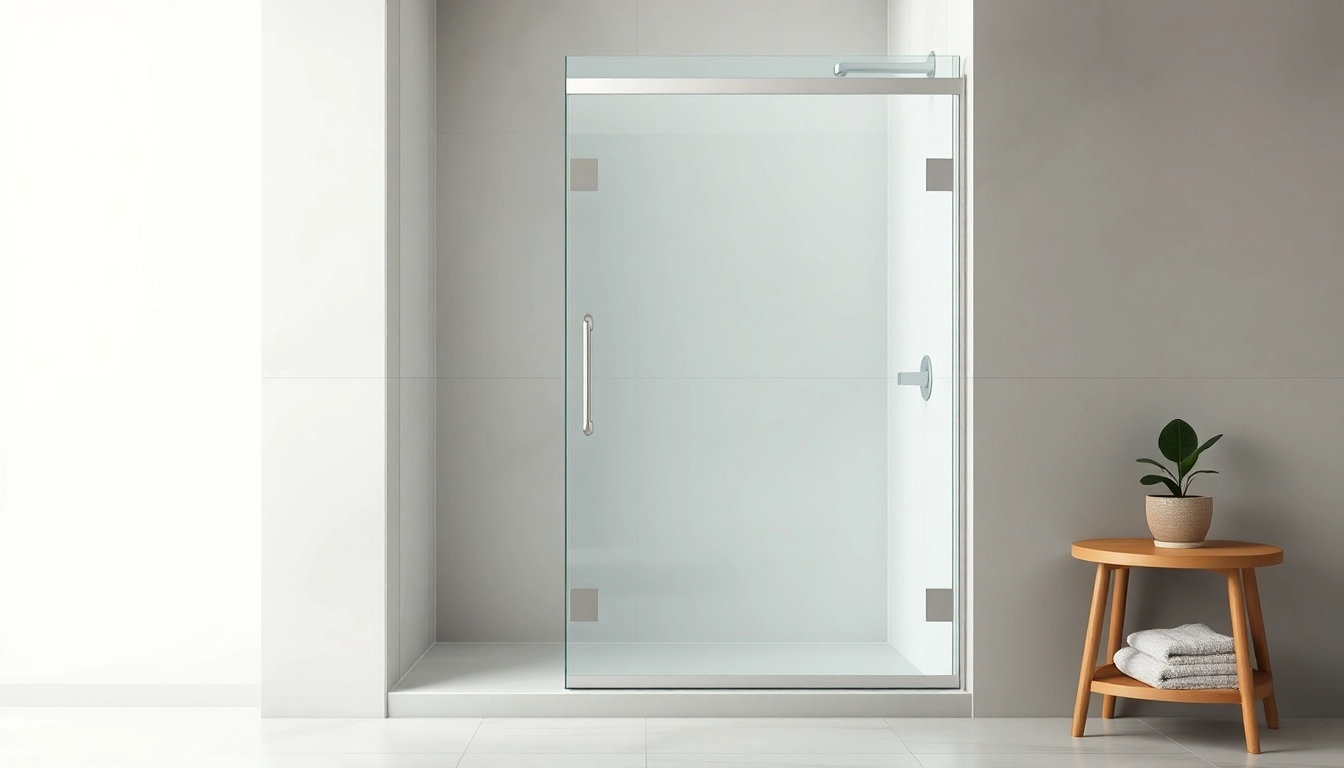
Introduction to Shower Screen Door
What is a Shower Screen Door?
A shower screen door is a modern bathroom feature designed to provide a water-tight barrier around your shower area, enhancing both functionality and aesthetics. Unlike traditional shower curtains, shower screen doors are typically made from glass, providing a sleek, contemporary look while offering durability and ease of maintenance. These doors can either slide or swing open, depending on the space and configuration of your bathroom. By opting for a shower screen door, homeowners can enjoy the benefits of a cleaner, more spacious bathroom feel while preventing excess water from escaping onto the floor.
Benefits of Using Shower Screen Door
Shower screen doors come with a myriad of benefits that can elevate your bathing experience:
- Enhanced Aesthetics: A well-chosen shower screen door can transform the overall look of your bathroom. Glass doors give a modern and open vibe, creating an illusion of larger space.
- Easy Maintenance: Compared to fabrics, glass doors are easier to clean and maintain. They don’t trap moisture and mold, which can develop on shower curtains.
- Durability: Made from toughened safety glass, shower screen doors are designed to withstand everyday use without cracking or breaking.
- Improved Hygiene: Glass doors resist mold and mildew buildup, maintaining a cleaner and healthier bathroom environment.
- Luxury Appeal: Incorporating a shower screen door can add a touch of luxury to your bathroom, providing a modern upgrade that many homebuyers find appealing.
Different Types of Shower Screen Door
When it comes to selecting a shower screen door, variety can enhance both functionality and design. Here are some popular styles:
- Sliding Doors: Suitable for smaller bathrooms, sliding doors conserve space by sliding along a track rather than swinging open.
- Bi-Fold Doors: These doors fold back against the wall, providing wide access yet taking up minimal space when open.
- Hinged Doors: Hinged or swing doors open outward, offering accessibility and a classic look; however, they require adequate space in front of the shower.
- Curved Doors: Ideal for corner showers or alcoves, these doors add an elegant touch and maximize space.
- Frameless Doors: A more contemporary design, frameless glass doors offer an unobtrusive option where the focus remains on the glass rather than the structure.
Installation Process for Shower Screen Door
Tools Required for Installation
Installing a shower screen door can be a DIY project, but it requires some specific tools to ensure a flawless result:
- Drill and drill bits
- Measuring tape
- Level
- Silicone sealant and caulking gun
- Screwdriver
- Safety gear (gloves and goggles)
Step-by-Step Installation Guide
The installation of a shower screen door can be simplified into several key steps:
- Measure the Space: Ensure you have accurate measurements of your shower opening to select a compatible door size.
- Assemble Your Tools: Gather all the required tools and the door itself to streamline the installation process.
- Mark Drill Points: Using a pencil, mark where the hinges and screws will need to be on the wall and the shower base.
- Drill Holes: Carefully drill holes at the marked points, making sure to check levelness as you go.
- Install Hinges: Secure the hinges to the wall or shower base, ensuring they are firmly anchored.
- Attach the Door: With assistance if needed, lift and attach the door to the hinges, checking for smooth operation.
- Seal Gaps: Apply silicone sealant around the edges of the door to prevent water leakage.
- Final Check: Test the door for proper functionality and make any necessary adjustments.
Common Mistakes to Avoid
Installing a shower screen door is straightforward, but several common pitfalls can lead to dissatisfaction:
- Incorrect Measurements: Always double-check your dimensions to avoid purchasing an ill-fitting door.
- Neglecting Water Sealing: Ensure you properly apply silicone sealant to avoid water leakage and related issues.
- Ignoring Weight Distribution: Ensure the hinges are adequately secured taking into account the door’s weight; insufficient support can lead to failure.
- Not Using a Level: Failure to install the door level can lead to functionality issues or unintended water run-off.
Maintenance Tips for Shower Screen Door
Regular Cleaning Techniques
To keep your shower screen door looking pristine, regular cleaning is essential. Here are some effective techniques:
- Daily Wipe Down: After each shower, take a moment to wipe the glass with a squeegee or microfiber cloth to prevent soap scum and water spots.
- Weekly Deep Clean: Use a mixture of vinegar and water, or specific glass cleaner, to scrub away accumulated grime. Rinse thoroughly.
- Spot Cleaning: For tough stains or water spots, baking soda can be effective when mixed with vinegar; apply, scrub gently, and rinse.
Preventing Water Stains and Limescale
Hard water can lead to unsightly stains. To prevent limescale and water spots on your shower screen door:
- Install a Water Softener: This can significantly reduce mineral buildup in your water supply.
- Use a Water Repellent: Glass treatment products can help in repelling water, slowing down the staining process.
- Regular Maintenance: Adopting a consistent cleaning routine ensures that stains don’t have a chance to embed.
When to Replace Your Shower Screen Door
Even the most durable shower screen doors will eventually need to be replaced. Look out for these signs:
- Visible Cracks or Chips: Damage can compromise the safety and integrity of the door.
- Excessive Wear and Tear: If the door shows significant wear, it may be time for an upgrade.
- Poor Performance: If the door sticks or doesn’t close properly, it may no longer fit well and should be evaluated for replacement.
Design Options for Shower Screen Door
Popular Styles and Finishes
Choosing the right design for your shower screen door can augment your bathroom’s décor. Here are some popular styles:
- Clear Glass: Offers maximum visibility and a minimalist aesthetic, ideal for smaller bathrooms.
- Frosted Glass: Provides privacy while still allowing light to flow into the bathroom.
- Textured Glass: Adds a touch of artistic flair and can obscure visibility, enhancing privacy.
- Colored Glass: Incorporates color to match or contrast your bathroom’s palette.
Making a Statement with Glass Patterns
Incorporating patterns in your shower screen door can bring character to your bathroom:
- Geometric Shapes: Patterns can add a modern touch and complement contemporary designs.
- Nature-Inspired Designs: Floral or wave patterns create a relaxing atmosphere reminiscent of natural elements.
Transforming Your Bathroom with Color
Color can dramatically change the vibe of your bathroom. Here’s how to incorporate color into your shower screen door:
- Painted Frames: If you’re choosing a framed door, colored frames can add a pop of color.
- Colored Glass: Using tinted or colored glass can create a distinctive look that makes your shower a focal point.
- Accessories Coordination: Match your shower screen door with colored towels, bath rugs, or other bathroom accessories to create harmony.
Frequently Asked Questions
FAQs about Shower Screen Door
Here are some common questions regarding shower screen doors that can help you make informed decisions:
- How do I clean a shower screen door? Regularly wipe it with a squeegee after use and perform a deeper clean with vinegar weekly.
- Are shower screen doors safe? Yes, they are made from tempered safety glass designed to withstand impact.
- How much does a shower screen door cost? Prices vary widely based on material and design but generally range from affordable to premium options.
- Can I install a shower screen door myself? Yes, with the right tools and instructions, many homeowners can install shower screen doors as DIY projects.
- Do I need a professional for installation? While not necessary, hiring a professional can ensure proper fitting and functionality.