Introduction to Structural Steel Construction
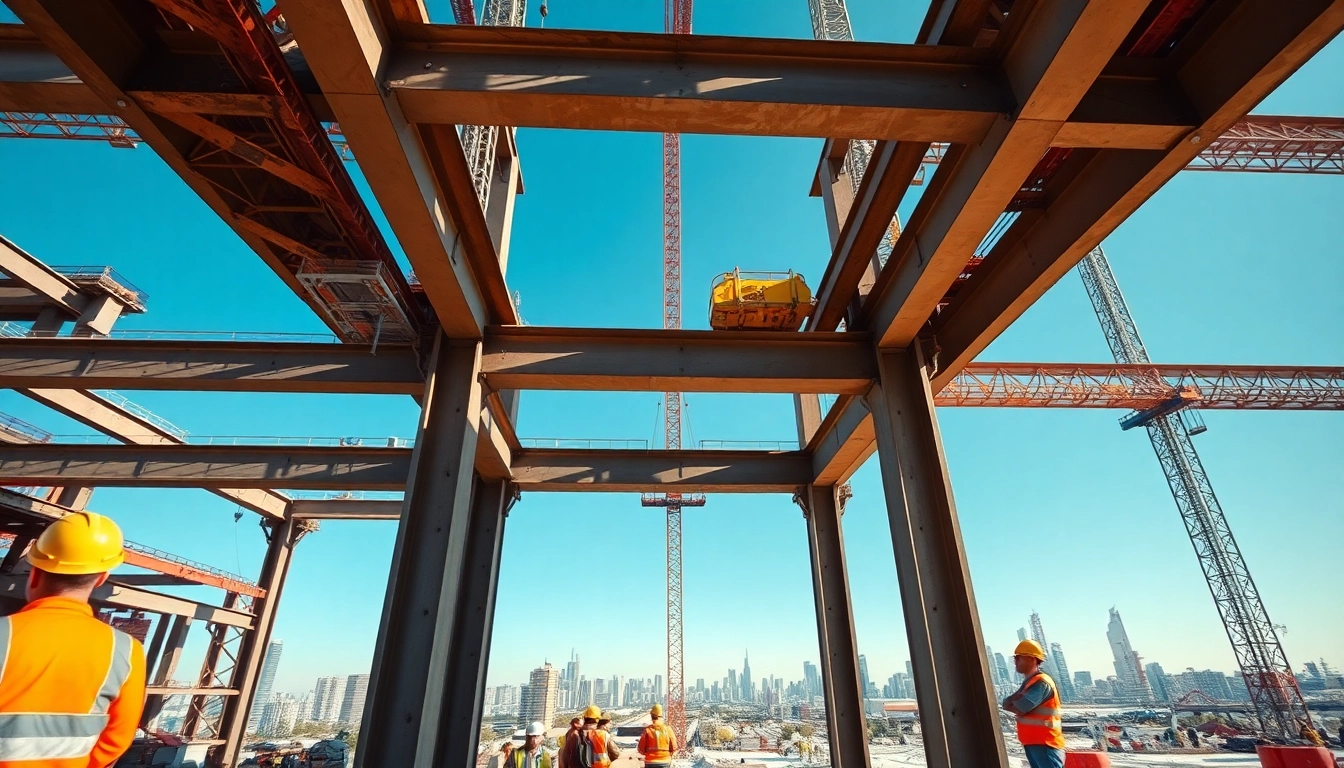
Structural steel construction plays a crucial role in modern building techniques, providing a robust framework for various architectural designs. The structural steel construction process involves utilizing specific steel grades and configurations to meet the unique demands of each project. Understanding the fundamentals underlying structural steel is essential not just for industry professionals but also for stakeholders in construction.
What is Structural Steel?
Structural steel refers to steel that is fabricated into specific shapes, sizes, and compositions for use in construction and engineering applications. Common forms include beams, columns, angles, and plates, which are often assembled to build various types of structures like residential buildings, bridges, and industrial complexes. Characterized by its high strength-to-weight ratio, structural steel is comparatively lighter than other traditional materials like concrete, allowing for efficient transport and erection on-site.
Importance of Structural Steel in Construction
The importance of structural steel in construction lies in its versatility and strength. As one of the most widely used materials in the construction industry, it enables architects and engineers to create large-span designs that were impossible with traditional materials. Moreover, structural steel's resistance to natural degradation makes it a preferred choice for long-lasting infrastructures, enhancing the durability and safety of buildings.
Key Differences Between Steel and Other Materials
When compared to materials such as wood, concrete, or masonry, structural steel presents several advantages. Unlike wood, which can warp or rot, structural steel maintains its integrity over time under the influence of moisture or temperature changes. Compared to concrete, steel has a higher strength-to-weight ratio, which allows for lighter designs and more extensive spans without the need for excessive material, conserving resources and labor costs. Additionally, steel can be prefabricated off-site, allowing for quicker assembly on location, significantly reducing construction time.
Benefits of Using Structural Steel
Durability and Strength of Structural Steel
Structural steel boasts impressive durability and strength characteristics. It can withstand significant loads and forces, which is imperative for safety in building design. Steel's inherent toughness allows it to endure different stressors, including earthquakes and high winds, without substantial deformation. This strength translates to fewer materials needed in construction, reducing overall weight and contributing to the long-term stability of the structure.
Cost-Effectiveness in Long-term Projects
Although the initial investment in structural steel may be higher than other materials, its long-term cost-effectiveness is undeniable. The reduced maintenance needs, longevity, and energy efficiency of steel structures mean that operational costs can be significantly lower over time. Additionally, the speed of construction afforded by prefabricated steel components can lead to early project completion, which translates to lower labor costs.
Environmental Impact and Sustainability
In an age where sustainability is paramount, structural steel plays a significant role in creating eco-friendly buildings. Steel is 100% recyclable, which allows for the repurposing of materials at the end of their life cycle. This eliminates waste and reduces the demand for raw material extraction. While steel production does consume energy, advancements in production techniques have greatly improved efficiency and reduced carbon emissions. Sustainable sourcing and the use of recycled steel in construction further minimize the environmental footprint of building projects.
Common Applications of Structural Steel
Commercial Building Structures
One of the most common applications of structural steel is in the construction of commercial buildings. Steel frames provide the requisite support for high-rise buildings, office parks, and shopping malls, enabling expansive open interiors that can be configured flexibly for various tenant needs. The aesthetic possibilities with steel allow for creative architectural designs, attracting businesses and customers alike.
Industrial Applications and Warehouses
In the industrial sector, structural steel is vital for factories and warehouses, where robust building structures are needed to support heavy machinery and equipment. The ability to span large areas without support columns is an advantage in these environments, allowing for efficient movement of goods and workflow. Steel's resistance to various industrial chemicals and weathering conditions also contributes to the longevity of these structures.
Infrastructure Projects: Bridges and Highways
Steel is indispensable in infrastructure projects such as bridges and highways due to its strength, durability, and relative lightness. The materials used must not only support substantial weight but also resist various environmental conditions. Steel bridges can be constructed quickly, allowing for minimal disruption to traffic and nearby areas during the construction phase. Moreover, steel's flexibility in design allows for innovative solutions to complex architectural challenges.
Design Considerations for Structural Steel Construction
Load-Bearing Calculations and Design Specs
An essential aspect of structural engineering is accurate load-bearing calculations, which must take into account the various forces that a building might encounter, such as occupancy loads, snow loads, wind forces, and seismic conditions. These calculations inform structural specs that dictate the size, thickness, and shape of steel components. Advanced software solutions now assist engineers in performing these calculations accurately and efficiently, streamlining the design process.
Architectural Aesthetics in Steel Structures
Beyond the technical application, architectural aesthetics plays a critical role in the structural steel construction process. The visibility of steel framing offers opportunities for creative expression in a building's design. Architects can incorporate exposed steel elements as part of the interior or exterior to evoke a sense of modernity and strength. Moreover, innovative design approaches such as cantilevered structures or custom steel shapes allow for distinctive and iconic buildings that stand out in urban environments.
Regulatory Standards and Compliance
Compliance with regulatory standards is mandatory in all construction projects, and structural steel is no exception. Local, state, and federal regulations dictate various parameters, including material specifications, structural integrity, and safety measures. Engineers and architects must collaborate closely to ensure that all designs not only meet these requirements but also excel in safety and sustainability practices. The increasing focus on building codes related to fire safety and eco-friendly standards underscores the need for thorough knowledge of regulatory landscapes.
Challenges in Structural Steel Construction
Weather Impacts on Steel Construction
Weather conditions can significantly affect structural steel construction processes. Rain, snow, and extreme temperatures can delay construction schedules, complicate installation, and introduce safety hazards. Strategies to mitigate these challenges include the use of weather-resistant coatings on steel components, scheduling construction activities according to seasonal forecasts, and leveraging technology for real-time weather data to make informed decisions on-site.
Managing Construction Safety and Protocols
Construction sites pose various risks, particularly in structural steel assembly where heavy components must be maneuvered. Comprehensive safety protocols are crucial to minimize accidents. These protocols include training workers on proper handling techniques, using personal protective equipment (PPE), and conducting regular safety audits. Additionally, utilizing technology such as drones for site inspections can enhance safety by reducing the need for personnel to be in potentially hazardous areas while maintaining oversight.
Future Trends in Steel Construction Technologies
The future of structural steel construction is promising, driven by continual technological advancements. Innovations such as 3D printing with steel, robotic assembly, and the use of artificial intelligence for design optimization are shaping the next generation of construction practices. These emerging trends aim not only to enhance efficiency and reduce costs but also to improve overall construction safety and sustainability. As these technologies become more widely adopted, the structural steel construction industry may experience transformative shifts in project delivery methods and operational protocols.