Understanding Warehouse Fundamentals
What is a Warehouse?
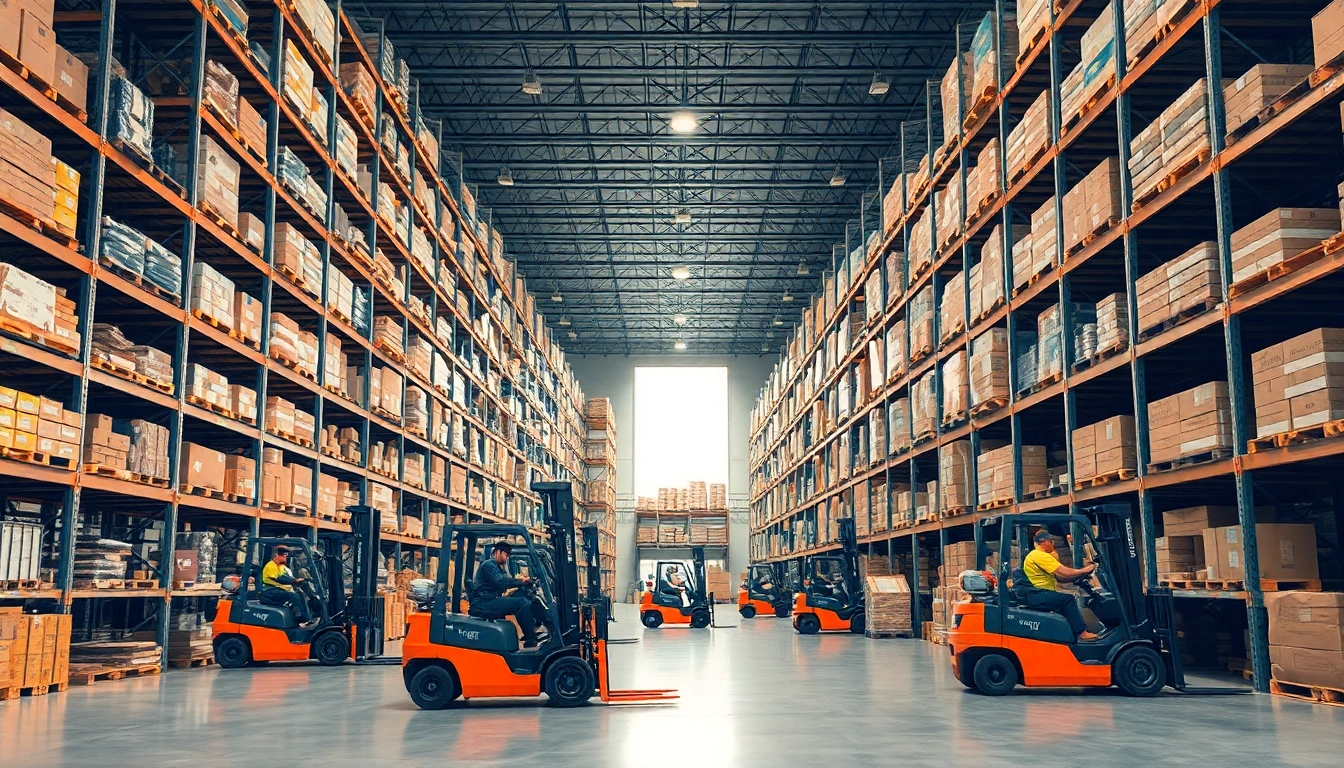
A warehouse is a large commercial building used for the storage of goods. Typically, these structures are equipped to handle the operations necessary for managing inventory, including stock control, order fulfillment, and distribution. They serve as critical nodes in supply chains, allowing businesses to store products before they reach retailers or end customers. Notably, warehouses can vary in size, shape, and purpose, encompassing a wide range of functionalities required in modern logistics.
At its core, a warehouse is defined not just by its physical attributes but by its role in the supply chain. As described in various resources, a warehouse serves diverse stakeholders, including manufacturers, importers, exporters, and transport businesses. This importance highlights the need for strategic planning in warehouse design and operations to meet both current and future business needs.
The Role of Warehouses in Supply Chain Management
Warehouses are integral to effective supply chain management, serving multiple roles that enhance operational efficiency. They act as buffers between production and consumption, retaining inventory to absorb supply and demand fluctuations. This capability is crucial in industries where demand can be volatile, allowing businesses to maintain continuity of supply even amidst uncertainty.
Furthermore, warehouses also facilitate inventory management strategies such as Just-in-Time (JIT), which minimizes stock levels while ensuring products remain available when needed. By centralizing goods in strategically located warehouses, companies can reduce lead times and transportation costs, thus improving service delivery and customer satisfaction.
Types of Warehouses and Their Functions
The effectiveness of warehouse operations can be significantly influenced by the type of warehouse employed. Various types include:
- Public Warehouses: These are storage facilities owned by a third party that are rented out to businesses. They offer flexibility and scalability without the need for businesses to invest in their own storage facilities.
- Private Warehouses: Owned and operated by a company to store its own products, private warehouses offer greater control over inventory but can require significant capital investment.
- Distribution Centers: These facilities focus on the rapid turnover of products, prioritizing fast order fulfillment and logistics. They are crucial for businesses relying on e-commerce, necessitating efficient order processing systems.
- Climate-Controlled Warehouses: Designed to store temperature-sensitive goods such as food and pharmaceuticals, these warehouses control temperature and humidity, ensuring product integrity.
- Automated Warehouses: Employing advanced technology, including robotics and AI for storage and retrieval systems, automated warehouses enhance efficiency and accuracy in inventory management.
Warehouse Design and Layout Optimization
Creating Efficient Storage Solutions
The design and layout of a warehouse are paramount to its efficiency and productivity. Effective warehouse design can maximize storage capacity while streamlining operations. For instance, employing vertical storage solutions, such as mezzanines and high-bay racks, can significantly increase the use of available space. Additionally, implementing a logical flow of materials through the warehouse can reduce handling times and improve operational efficiency.
Strategically categorizing items based on their movement frequency—commonly referred to as ABC analysis—can also optimize storage solutions. High-demand items should be readily accessible, while slower-moving items can be stored in less accessible areas, thereby enhancing overall warehouse functionality.
Designing Workflow for Maximum Productivity
Beyond physical storage, workflow design is crucial in determining a warehouse's productivity. This entails creating an efficient picking process, organizing warehouse zones, and scheduling staff effectively to minimize idle time. Configuring aisles to facilitate smooth movement, utilizing the right picking methods (e.g., batch picking, zone picking), and employing efficient packing stations are all vital components of an optimal workflow.
Moreover, understanding peak-load periods and thereby aligning workforce deployment can help maintain productivity during busy seasons, ensuring that order fulfillment is swift and efficient.
Utilizing Technology in Warehouse Layout
In today's competitive landscape, incorporating technology into warehouse layouts has become increasingly essential. Warehouse Management Systems (WMS) allow for real-time tracking of inventory, automated reordering, and data analytics to inform decision-making. These systems can streamline processes, reduce errors, and provide valuable insights into warehouse performance.
Adopting automated technologies such as Automated Guided Vehicles (AGVs) or drones for inventory management can further enhance operational capabilities. Through improved accuracy and efficiency, technology integration not only boosts productivity but can also reduce labor costs and enhance safety in warehouse environments.
Best Practices for Warehouse Management
Inventory Control Techniques
Effective inventory control is vital in preventing stockouts and overstocking, which can severely disrupt operations. Techniques such as FIFO (First In, First Out) and LIFO (Last In, First Out) are essential in managing perishable and non-perishable goods, respectively. Additionally, regular cycle counts and audits should be conducted to ensure inventory accuracy.
Implementing a robust inventory management software that provides visibility into stock levels, turnover rates, and demand forecasts is a recommended best practice. This not only aids in decision-making but also enhances the responsiveness of the supply chain.
Safety Practices in Warehouse Operations
The safety of warehouse operations cannot be overstated. Implementing rigorous safety protocols is critical in preventing accidents and injuries. Training programs for employees should focus on proper lifting techniques, use of safety gear, and machine operation safety.
Additionally, warehouse managers should regularly review safety protocols and update them as necessary. Conducting periodic safety audits can help identify hazards and ensure compliance with regulatory standards, ultimately fostering a culture of safety within the workforce.
Training and Development for Warehouse Staff
Investing in workforce training and development is essential for enhancing warehouse productivity. Well-trained staff are less likely to make errors and are more adept at navigating the complexities of modern warehouse operations. Offering continuous training programs helps staff stay up to date with best practices, safety standards, and new technologies that improve efficiency.
Moreover, implementing mentorship programs where experienced staff mentor newer employees can foster a culture of learning and drive operational excellence.
Cost Management Strategies in Warehousing
Evaluating Operational Costs
In an increasingly competitive market, assessing and managing operational costs is crucial for warehouse profitability. Warehouse managers should regularly evaluate costs associated with labor, utilities, equipment, and inventory handling. Utilizing data analytics can help identify areas where expenses can be reduced without compromising service quality.
Additionally, leveraging metrics such as cost per order and inventory turnover ratio provides insights that aid management in making informed financial decisions.
Reducing Overhead through Smart Sourcing
Sourcing supplies and materials strategically can significantly reduce overhead costs. Establishing strong relationships with suppliers can lead to better pricing, improved delivery schedules, and enhanced service levels. Furthermore, exploring options for utilizing third-party logistics (3PL) providers can be a cost-effective way to meet warehousing needs without the burden of owning physical space.
Engaging in collaborative sourcing, where multiple businesses share resources, can also contribute to lower costs and improved resource utilization.
Implementing Lean Warehouse Principles
Adopting lean principles in warehouse operations can drastically improve efficiency and reduce waste. This involves analyzing processes to eliminate non-value-added activities, simplifying workflows, and streamlining operations. Tools like Value Stream Mapping (VSM) can help identify bottlenecks and areas for improvement, providing a pathway for enhancing overall performance.
Incorporating a culture of continuous improvement, known as Kaizen, encourages workers at all levels to contribute ideas for enhancing efficiency and reducing waste, fostering a proactive approach to operational excellence.
Future Trends in Warehouse Operations
The Impact of Automation on Warehousing
Automation is rapidly transforming warehouse operations. Technologies such as robotic picking systems, automated storage and retrieval systems (AS/RS), and AI-driven analytics are enhancing productivity and efficiency. As the cost of automation technology continues to decrease, more warehouses are expected to incorporate these systems to streamline operations.
Moreover, automation not only improves efficiency but also addresses labor shortages by reducing reliance on human labor for repetitive tasks, allowing employees to focus on more complex activities that require human intervention.
Sustainability Practices in Warehouse Management
With increasing awareness of environmental impacts, sustainability practices are becoming essential in warehouse operations. Implementing energy-efficient systems, utilizing sustainable materials for packaging, and optimizing transportation routes can significantly reduce a warehouse’s carbon footprint.
Additionally, employing renewable energy sources, such as solar panels, can help lower energy costs and contribute to a greener operation. Engaging in sustainable practices not only aligns with corporate social responsibility goals but also resonates positively with customers increasingly looking for eco-friendly business partners.
Adapting to E-commerce Growth
The surge in e-commerce has fundamentally altered warehouse operations, necessitating faster order fulfillment and efficient last-mile delivery solutions. Warehouses must adapt by implementing flexible storage solutions capable of accommodating a wider array of products and rapid inventory turnover.
Furthermore, developing strong returns management processes is vital as e-commerce orders often lead to higher return rates. Facilities designed with dedicated spaces for processing returns and integrating them back into inventory can significantly enhance customer satisfaction and reduce losses from returns.