Understanding Picture Hanging Basics
Hanging pictures might seem like a simple task, but there are several key elements that can elevate your display from average to stunning. Whether you're decorating a single bedroom wall or an entire gallery space, understanding the fundamentals of picture hanging is essential. This guide delves into the various aspects of picture hanging that will help you achieve a professional look in your home or office.
What You Need to Hang Pictures Effectively
Before you start the picture hanging process, it's essential to gather the right tools and materials. Here’s a list of what you might need:
- A level: Ensures your frames are perfectly straight.
- Measuring tape: Helps you determine where and how to place your pictures.
- Hammer: For driving nails into the wall.
- Hanging hardware: Choose appropriately based on the weight of your frames.
- Pencil: To mark your desired hanging spots without permanent marks.
- Stud finder: Useful for locating the best spots for heavy items.
Choosing the Right Hanging Hardware
Selecting the right hardware is crucial for maintaining the integrity of your artwork and protecting your walls. Here’s a breakdown of common types of hanging hardware:
- Nails and Picture Hanging Hooks: Suitable for lightweight frames.
- Wall Anchors: Ideal for heavier items; they provide additional support.
- Screws: Best for very heavy pieces; ensure they’re anchored into wall studs.
- Adhesive Strips: A no-drill solution that works well for lighter frames and is desirable for renters.
Measuring for Perfect Alignment
Accurate measuring is key to achieving alignment and enhancing the visual appeal of your pictures. Here are some tips:
- Determine the center point of your display area.
- Establish a fixture or horizontal line—using a level can help here.
- Consider how high to hang your pictures; a general rule is eye level for the average adult, which is approximately 57 to 60 inches from the floor.
- Leave a consistent amount of space between frames if displaying multiple pieces together.
Different Methods of Picture Hanging
There are myriad methods for hanging pictures that cater to different aesthetics and design preferences. Here, we explore traditional, modern, and gallery wall approaches.
Traditional Picture Hanging Techniques
Traditional methods focus on individual frames usually hung in a row or grid format. Popular techniques include:
- Centered Alignment: Frames are centered around a focal point, creating symmetry.
- Grid Arrangement: Pictures are arranged in a defined square or rectangular grid.
- Single Line: Frames hung along a single horizontal line for a clean look.
Modern Approaches to Wall Art Display
Modern techniques often incorporate creativity and innovative solutions, such as:
- Asymmetrical Layouts: Frames of varying sizes and orientations arranged in a more spontaneous fashion.
- Floating Shelves: Ideal for providing a versatile display area where art can be easily changed.
- Mesh Grids: A modern solution allowing pictures and other items to be hung from a grid.
Gallery Wall Configurations
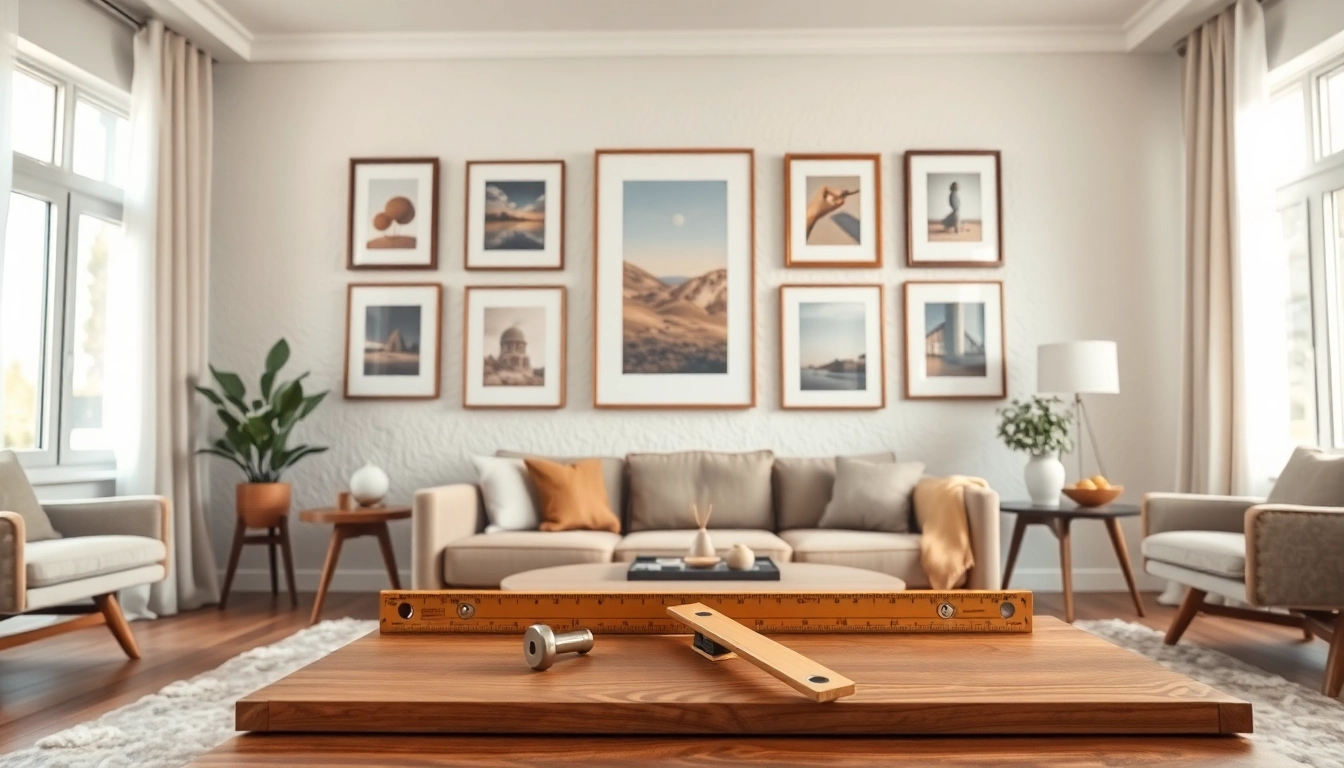
A gallery wall is a popular way to showcase a collection of artwork or photographs cohesively. Here are steps to create a stunning gallery wall:
- Lay your frames on the floor first to visualize the arrangement.
- Opt for various frame styles to pick up on different textures and colors; this boosts visual interest.
- Use templates made of paper or cardboard to outline your design on the wall before putting nails in.
Tips for Selecting the Right Locations
Location can make or break your picture hanging efforts. Consider the following factors for optimal placement.
Lighting Considerations for Art Displays
Good lighting enhances the visibility and aesthetic appeal of your pieces. Consider these pointers:
- Avoid direct sunlight to prevent fading of artwork.
- Use track lighting or picture lights specifically aimed at each piece.
- Consider wall-mounted sconces for a softer, ambient glow.
Creating a Visual Flow in Your Space
Picture arrangements should create harmony and flow through your space. Here are tips to ensure visual continuity:
- Consider the theme or color palette of your room when selecting pieces.
- Use line and shape to lead the eye around the room.
- Integrate other décor elements like furniture and textiles to create a unified look.
Common Mistakes to Avoid
To enhance the success of your picture hanging endeavors, be mindful of the following common pitfalls:
- Hanging pictures too high or too low can throw off your visual balance.
- Overcrowding or spacing them too far apart can diminish their impact.
- Ignoring wall color can lead to misalignment with your intended aesthetic.
Maintaining Your Picture Hanging Arrangements
After successfully hanging your pictures, maintaining them is equally important to keep your display looking fresh and intact.
Regular Check-ups for Stability
Inspect your frames periodically for any signs of weakness or instability, especially if they’re hung with hardware. This is particularly crucial for heavier artwork:
- Check for loose screws or nails regularly.
- Ensure there is no bowing or warping of frames.
- Re-hang any pieces that appear unstable.
Dusting and Cleaning Art Pieces
Dust can accumulate quickly, diminishing the beauty of your hung artworks. Here’s how to keep them pristine:
- Use a microfiber cloth to gently dust frames and surfaces.
- For glass covers, use glass cleaner for a streak-free shine.
- Keep art pieces away from high-traffic areas that may cause increased dust or fingerprints.
Updating Displays with Seasonal Changes
Consider changing your picture displays to reflect seasonal changes or trends. This can keep your environment feeling fresh and engaging:
- Rotate pieces that align with the seasons, like spring florals or winter sports.
- Incorporate seasonal color palettes for a contemporary touch.
- Engage in thematic updates for holidays or events, creating a festive environment.
Frequently Asked Questions about Picture Hanging
How high should I hang my pictures?
The general rule is to hang art at eye level, which is about 57 to 60 inches from the floor to the center of the piece.
What’s the best way to hang heavy frames?
Use wall anchors or screws that are anchored into wall studs. This ensures that the weight is evenly distributed to prevent damage.
Can I use adhesive hooks for picture hanging?
Adhesive hooks work well for lighter frames. Be sure to check weight limits and ensure a smooth surface for optimal adherence.
What is a gallery wall?
A gallery wall is a collection of artwork or photos arranged together on a wall. It often features different types of frames and art styles for a personal touch.
How do I avoid making holes in the wall?
Consider using adhesive strips designed for hanging frames, or opt for removable hooks, which leave no damage when removed.