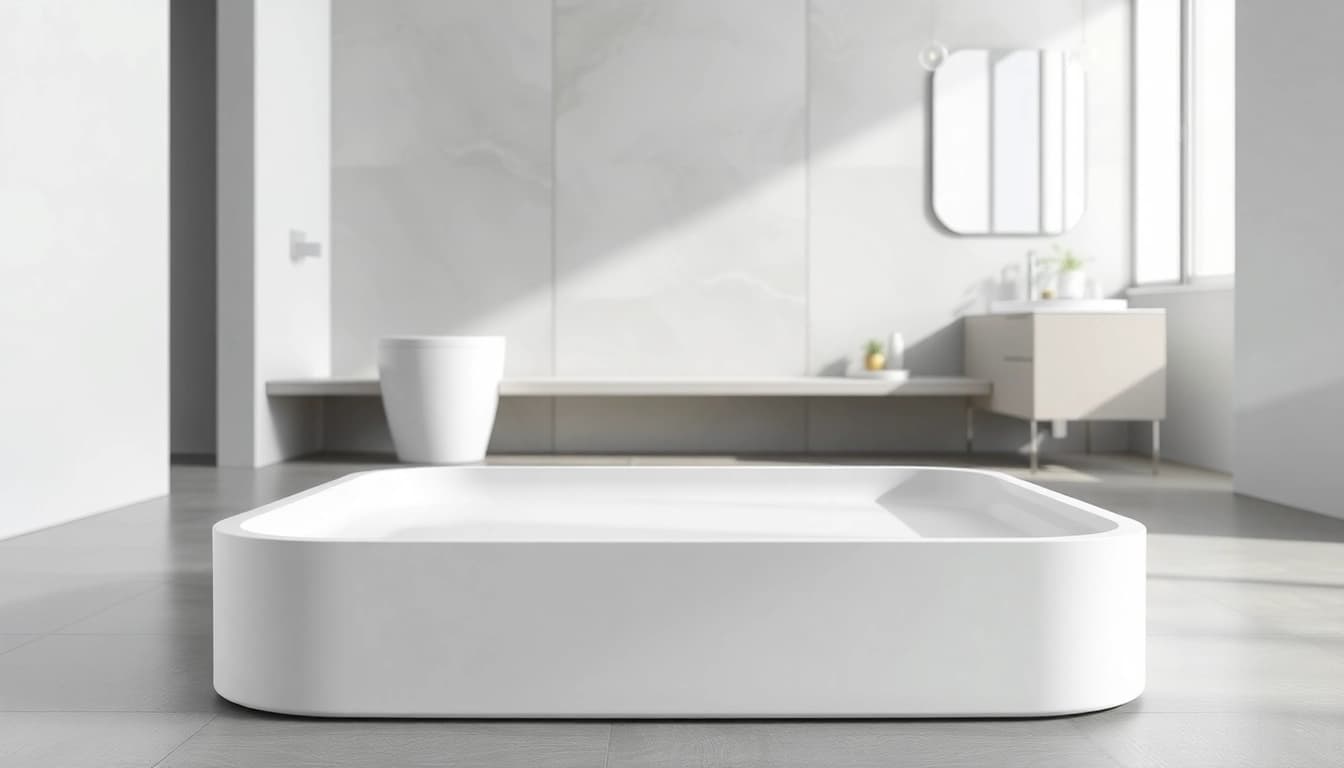
Understanding Shower Base Options
Different Types of Shower Bases
When it comes to choosing the right shower base for your bathroom, understanding the various options available is essential. There are several types of shower bases designed to suit different preferences and bathroom layouts. The most common types include:
- Rectangular Shower Bases: These are standard options that fit well in most bathrooms, providing ample space for users.
- Square Shower Bases: Perfect for smaller bathrooms, square bases maximize space efficiency while offering a modern look.
- Neo-Angle Shower Bases: Designed for corner installations, these bases are ideal for compact areas, providing an open feel without sacrificing space.
- Custom Shower Bases: Tailored to fit specific dimensions, custom bases offer versatility, especially in irregular or uniquely shaped bathrooms.
Materials Used in Shower Bases
The choice of material for a shower base plays a crucial role in its durability, aesthetics, and maintenance. Common materials include:
- Acrylic: Lightweight, easy to clean, and available in various colors and styles, making it a popular choice.
- Fiberglass: Affordable and offers a good balance of durability and weight. However, it may require more maintenance over time.
- Stone Resin: Known for its strength and luxurious finish, stone resin bases provide a high-end appearance but can be heavier and more expensive.
- Tile: Customizable and visually appealing, tiled bases require careful installation to ensure waterproofing.
- Cast Iron: Extremely durable and offers excellent heat retention, but it's heavy and may require additional floor support.
Size and Shape Considerations
Before deciding on a shower base, it’s vital to consider the dimensions and layout of your bathroom. Measure the space accurately to ensure a proper fit. Considerations should include:
- Available space in the bathroom.
- Proximity to plumbing fixtures.
- Accessibility and ease of entry and exit.
Benefits of Upgrading Your Shower Base
Enhanced Aesthetic Appeal
One of the primary reasons for upgrading your shower base is the improvement in the overall aesthetic of your bathroom. A new shower base can provide a clean and modern look, complementing your tile work and fixtures while also increasing your home’s value.
Improved Functionality and Safety
Modern shower bases often come with features that enhance functionality, such as slip-resistant surfaces, built-in drains, and easy-to-clean materials. These features not only make showering safer but also improve the overall user experience, making daily routines more enjoyable.
Long-Term Durability
Investing in a quality shower base ensures long-term durability and minimizes maintenance costs. Higher-end materials resist wear and tear better and are less prone to cracking or discoloration, offering value over time.
How to Install a Shower Base
Preparation Steps Before Installation
Proper preparation is key to a successful shower base installation. Begin with the following steps:
- Gather Tools and Materials: Ensure you have all necessary tools like a level, wrench, and adhesive, as well as the shower base itself.
- Check Plumbing: Confirm that plumbing and drainage meet the requirements for your new base.
- Prepare the Subfloor: Ensure the subfloor is clean, flat, and free of any damage.
Step-by-Step Installation Guide
The installation process of a shower base typically involves the following steps:
- Dry Fit the Base: Before securing anything, place the base in the intended position to check fit and level.
- Apply Adhesive: Using a suitable adhesive, apply it to the subfloor where the shower base will sit.
- Set the Shower Base: Align the base with plumbing and press it firmly into the adhesive. Use a level to confirm it’s even.
- Secure Drain Connection: Connect the drain to the plumbing, ensuring a watertight seal.
- Finish the Installation: Follow with any additional work, like tile or wall installation around the base.
Common Mistakes to Avoid
When installing a shower base, be wary of these common mistakes:
- Failing to properly level the base, leading to drainage issues.
- Inadequate preparation of the subfloor, which can cause cracking.
- Neglecting to check plumbing for proper alignment before sealing.
Maintaining Your Shower Base
Routine Cleaning Tips
To keep your shower base looking pristine, establish a regular cleaning routine. Use non-abrasive cleaners and a soft sponge to prevent scratches. Regular cleaning not only enhances appearance but also prevents mold and mildew.
Repairing Minor Damages
Address any scratches or chips promptly to avoid larger issues. For minor damages, consider using repair kits specifically designed for the material of your base, and follow the manufacturer’s instructions carefully.
When to Replace Your Shower Base
Knowing when to replace your shower base is critical for functionality and safety. Signs include:
- Visible cracks or damage.
- Persistent leaks despite repairs.
- Severe surface discoloration or wear.
Frequently Asked Questions About Shower Bases
What size shower base should I choose?
Your shower base should match your available space and fit comfortably with existing plumbing. Measure carefully to avoid installation issues.
How can I ensure my shower base is properly installed?
To ensure a proper installation, level the base correctly, check plumbing alignments, and secure all fittings as recommended by the manufacturer.
What materials are best for shower bases?
The best material depends on your preferences and needs. Acrylic and stone resin are popular for their durability and aesthetic appeal.
How do I clean and maintain my shower base?
Regularly clean with non-abrasive products and address damage immediately to prolong the life of your shower base.
Can I install a shower base myself?
Yes, DIY installation is possible if you have basic plumbing and carpentry skills. Follow manufacturer guidelines and verify plumbing connections.