Introduction to Roosterfish Fishing Mexico
For fishing enthusiasts, few experiences rival the thrill of battling the magnificent Roosterfish in the warm waters of Mexico. This unique species, recognized for its impressive dorsal fin and robust fighting spirit, has established itself as a favorite among both local and visiting anglers. With the vibrant culture, breathtaking scenery, and diverse marine life, Roosterfish fishing Mexico offers an unparalleled adventure that combines sport with the splendor of nature.
What Makes Roosterfish Special
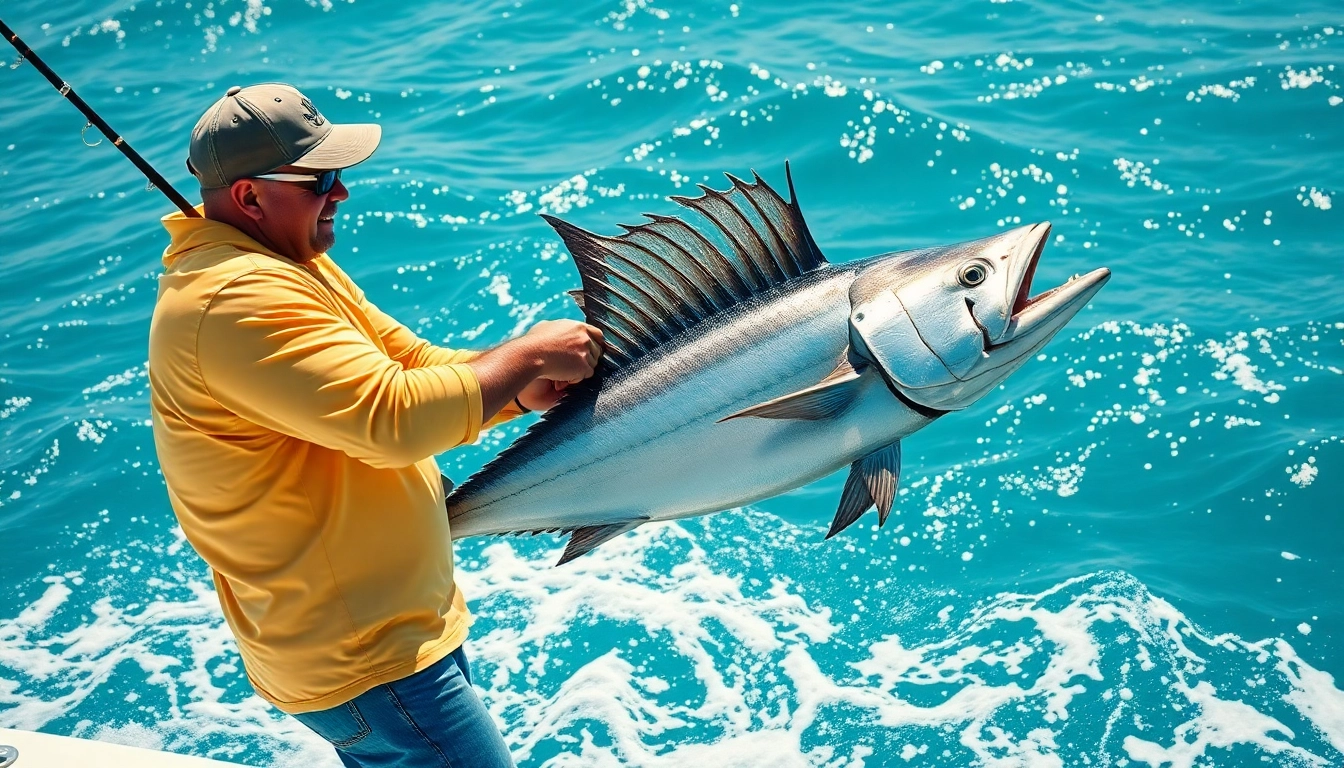
Roosterfish, or Nematistius pectoralis, are famed for their striking appearance and challenging behavior. Their most distinctive feature is the long, spiky dorsal fin that resembles a rooster's comb, which can be raised or lowered, enhancing their unique allure. These fish can grow up to 100 pounds and are primarily found in the warm waters of the Eastern Pacific Ocean.
What distinguishes Roosterfish from other species is not just their remarkable size but also their aggressive nature and hunting techniques. They are known to school together, providing a thrilling scenario for anglers as they chase baitfish near the surface. Encountering a Roosterfish is not simply about the catch; it’s about the entire experience, from the strike to the fight, integrating tactics and strategy to effectively land such a powerful creature.
Best Seasons for Roosterfish Fishing
Timing is crucial in Roosterfish fishing, and understanding seasonal patterns can significantly improve your chances of a successful catch. Typically, the prime season for targeting Roosterfish spans from late spring through early fall, coinciding with warmer waters and the influx of baitfish.
During the spring months, as water temperatures rise, Roosterfish become more active, making them easier to locate in shallower waters. The summer months, particularly June through September, present the pinnacle of Roosterfish activity. Anglers can find them in abundance along the Pacific coast, especially in areas like the Baja Peninsula.
As fall approaches, the fishing may slow, but skilled anglers can still find opportunities, particularly in sheltered bays or during overcast days when fish tend to feed more aggressively. Proper planning around these seasonal patterns can enhance your fishing experience.
Why Mexico is the Premier Destination
Mexico’s Pacific coastline is revered among anglers for its rich marine biodiversity, favorable weather conditions, and accessibility. The latitude of Mexico offers warm tropical waters that create the perfect habitat for Roosterfish. Coastal destinations like Cabo San Lucas, La Paz, and Mazatlán have become fishing hotspots, attracting both locals and travel enthusiasts.
Additionally, the infrastructure dedicated to recreational fishing is substantial. Numerous charter companies provide professional guides who offer invaluable insights about the localized fishing techniques, conditions, and habits of Roosterfish. Whether you are an experienced angler or a beginner, the combination of scenic beauty and expert guidance makes Mexico a top choice for pursuing Roosterfish.
Essential Gear for Roosterfish Fishing Mexico
Choosing the Right Rod and Reel
Selecting the right gear is crucial for Roosterfish fishing. A medium to heavy-action rod is recommended, typically between 7 to 8 feet long, to provide the strength necessary to handle powerful strikes. Look for rods that offer sensitivity for better bite detection, particularly since Roosterfish can often be selective with their feeding.
Your reel choice should complement your rod, with a spinning reel being common for Roosterfish anglers. Standard reels in the range of 6000 to 10000 series are suitable, depending on the line capacity and drag strength needed for larger fish. Ensure that your reel has a smooth drag system; this is vital when dealing with the sudden, powerful runs of a hooked Roosterfish.
Best Baits and Lures to Use
The bait and lures you choose can greatly influence your success rate. Roosterfish primarily feed on smaller fish like sardines, mullet, and other baitfish. Live bait is often considered the best option due to its natural movement and scent. Many anglers recommend using live mackerel or mullet as they can attract Roosterfish effectively.
When it comes to lures, surface poppers and stick baits are particularly effective. Brightly colored lures can imitate the natural feeding behavior of baitfish and trigger Roosterfish’s predatory instincts. Additionally, don’t overlook the effectiveness of a well-presented jig in deeper waters, particularly if you’re fishing around rocks or reefs.
Safety Equipment and Conservation Tools
Safety should always be a priority when engaging in fishing activities. Essential safety gear includes life jackets, a first aid kit, and sunscreen to protect against sun exposure while on the water. Ensure your boat is equipped with necessary safety equipment, including flares and a fire extinguisher.
Conservation tools also play an essential role in maintaining healthy fish populations. If you are planning to practice catch and release, bring along tools such as circle hooks, which reduce injury to the fish, and a dehooking device that minimizes handling. Additionally, familiarize yourself with local conservation rules to ensure that you are fishing responsibly.
Top Locations for Roosterfish Fishing Mexico
Popular Fishing Spots on the Pacific Coast
The Mexican Pacific coast is dotted with many renowned fishing destinations where Roosterfish thrive. Cabo San Lucas, with its picturesque landscapes and rich waters, is often at the top of many anglers’ lists. The waters surrounding the famous Arch of Cabo provide an ideal environment for fishing.
Another premier location is the Bay of La Paz, known for its excellent fishing conditions and abundant Roosterfish populations. The nearby islands and reefs surrounding La Paz offer both challenges and rewards, ensuring memorable fishing experiences.
Fishing in Mazatlán is also notable, as the region has a reputation for larger catches. This area features a diverse range of environments, from deep waters to estuaries, providing various fishing scenarios that can cater to different angler preferences.
Hidden Gems for Advanced Anglers
While popular spots attract numerous anglers, seeking out hidden gems can yield fantastic results. The surf of Punta Mita is a local favorite for advanced anglers looking for Roosterfish in a more secluded environment. The area's surf breaks and underwater structure provide ideal hunting grounds for larger fish.
Another less-traveled area is the beaches surrounding Zihuatanejo, known for both surf fishing and nearshore structures. Anglers willing to venture off the beaten path may discover a more rewarding and less crowded fishing experience, often leading to better catch rates.
The Role of Local Guides in Success
Hiring a local fishing guide can dramatically increase your chances of a successful Roosterfish outing. Local guides possess invaluable knowledge about fishing patterns, seasonal changes, and specific techniques that work best in each area. Moreover, they can provide crucial insights into complex local regulations.
Guides often have access to high-quality tackle and boats specifically designed for Roosterfish fishing, ensuring you are well-equipped for your adventure. Beyond the practical benefits, local guides also enhance your overall experience by sharing their passion for fishing and the unique environment of Mexico’s coastal waters.
Techniques to Improve Your Roosterfish Catch
Best Fishing Strategies and Tactics
When it comes to Roosterfish fishing, employing effective strategies can make or break your trip. First and foremost, consider the time of day; early mornings or late afternoons are often when Roosterfish are most active. During these periods, you can find them chasing baitfish near the surface.
Using proper trolling techniques can also yield significant results. Maintain a varied speed and use different lures to see what attracts strikes. Additionally, don’t hesitate to adjust your depth—Roosterfish can vary their feeding depths, and experimenting can lead to discovering where they are holding at a given time.
Understanding Roosterfish Behavior
Understanding the behavior of Roosterfish is paramount to enhancing your fishing success. Generally, these fish are ambush predators, relying on stealth to capture their prey. They tend to stay near structures such as reefs, rocks, and pilings, so positioning your fishing efforts around these areas can lead to increased success.
Additionally, be mindful of water temperature and clarity. Roosterfish prefer warmer, clearer waters, which often mean higher visibility for both predators and prey. Observing the environment can provide clues about where fish are most likely to be found.
Common Mistakes to Avoid
Even the most seasoned anglers can make mistakes that may hinder their Roosterfish catch. One common error is using tackle that is either overly light or heavy, mismatching the rod and reel. This can lead to broken lines or equipment that cannot withstand the power of a Roosterfish.
Additionally, many anglers overlook the importance of stealth. Roosterfish can be easily spooked, so it’s critical to approach fishing areas quietly. Maintain distance from schooling fish, and use polarized sunglasses to reduce glare and see beneath the surface.
Planning Your Roosterfish Fishing Trip to Mexico
Traveling Tips for Anglers
When planning your Roosterfish fishing trip to Mexico, thoughtful preparations can enhance your experience tremendously. Ensure that you have all required travel documents, including a valid passport and any necessary visas. Research local flights and transportation options to get to your chosen destination.
It’s also wise to plan for accommodations well in advance, especially during peak fishing seasons. Seek out lodges or resorts that cater to fishing enthusiasts and provide easy access to fishing charters. Lastly, consider the local cuisine and cultural experiences to enrich your overall travel journey.
Legal Regulations and Permits Needed
Compliance with local legal guidelines is essential for any fishing trip. In Mexico, anglers are required to obtain a fishing permit, which can typically be arranged through your fishing charter or local authorities. Familiarize yourself with catch limits, size restrictions, and seasonal closures, which are often designed to protect local fish populations and ensure sustainable fishing practices.
Be sure to keep updated on changes to regulations, as these can vary between different regions. Consulting with your charter or guide can clarify these requirements and help you avoid potential issues while fishing.
Creating the Perfect Itinerary for Success
A carefully crafted itinerary can maximize the enjoyment and success of your fishing trip. Start by setting clear goals for your fishing experience. Determine the number of days you wish to fish, the locations you want to explore, and whether you aim to target specific fish species beyond Roosterfish.
Incorporate flexibility into your schedule to account for weather conditions and fishing variability. A local guide can help optimize your daily plans, suggesting alternative spots or techniques based on real-time information. Lastly, ensure that you leave time to explore Mexico’s rich culture, from historical landmarks to culinary specialties, enriching your overall travel experience.