
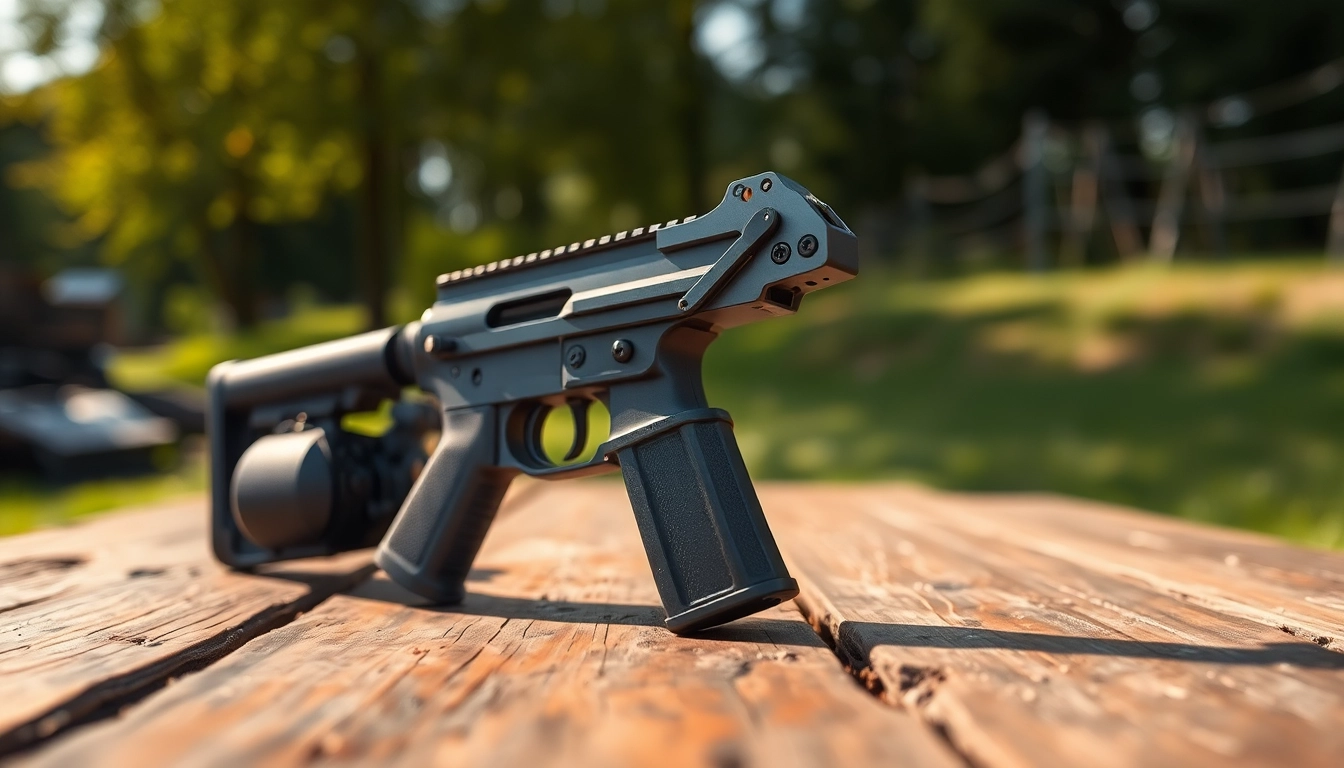
Understanding the AR 10 Trigger Mechanics
The ar 10 trigger plays a vital role in the overall performance and experience of shooting an AR-10 rifle. Understanding its mechanics is essential for both novice and experienced firearm enthusiasts. In this section, we will delve into what an AR 10 trigger is, the types available, and why pull weight is crucial for precision shooting.
What is an AR 10 Trigger?
An AR 10 trigger is a component in a semi-automatic rifle that controls the firing mechanism. When the shooter pulls the trigger, it releases the hammer that strikes the firing pin, igniting the cartridge. The quality, design, and mechanics of the trigger can significantly impact accuracy and overall shooting experience. A well-designed trigger can enhance a shooter’s control and precision, making it a critical upgrade for anyone looking to maximize their performance.
Types of AR 10 Triggers
There are primarily two types of triggers for the AR 10 platform: single-stage and two-stage triggers. Each type has its unique features and benefits:
- Single-Stage Triggers: These triggers have a direct pull with no noticeable change in resistance before releasing the firing mechanism. This type is favored by many for its simplicity, often providing a crisper feel which can enhance speed and accuracy.
- Two-Stage Triggers: These triggers require two steps: the first stage creates initial tension without firing, and upon applying additional pressure, the shot is released. This design allows for higher precision by providing a clear indication of the trigger’s release point, making it popular among precision shooters.
Importance of Trigger Pull Weight
The pull weight of an AR 10 trigger refers to the amount of force needed to pull the trigger and fire the weapon. Pull weight can vary, generally falling between 3 to 6 pounds for most AR 10 triggers. The ideal pull weight often depends on the shooter’s preference and the intended use:
- For precision shooting, a lighter trigger pull can help improve accuracy, allowing for minute adjustments.
- A heavier pull may be beneficial for tactical or combat scenarios where there is a risk of accidental discharge.
Finding the right pull weight can dramatically enhance shooting comfort and performance, making it an essential consideration when selecting an AR 10 trigger.
Factors to Consider When Selecting an AR 10 Trigger
Selecting the right AR 10 trigger involves careful consideration of several factors. Understanding these elements will ensure you make an informed choice that suits your shooting style and needs.
Single-Stage vs. Two-Stage Triggers
As mentioned previously, the choice between single-stage and two-stage triggers can influence your shooting performance. A single-stage trigger can enhance quick follow-up shots, making it a popular choice for tactical scenarios. Conversely, two-stage triggers are often preferred in competitive and precision shooting, thanks to their ability to help shooters prepare for the shot without committing until absolutely ready. Evaluating your shooting scenarios helps in making the best choice.
Materials and Construction Quality
The material and construction quality of a trigger significantly affect its performance and longevity. High-quality triggers often utilize durable materials like steel for the trigger body and aluminum for the housing, which withstand wear and tear over time. Craftsmanship is also crucial, with precision-engineered components typically leading to smoother operation, reducing the likelihood of malfunctions or misfires.
Compatibility with Your AR 10 Setup
Not all triggers are universal, and compatibility is crucial when selecting an AR 10 trigger. Ensure that the trigger is designed for the specific model and make of your AR 10 platform. This may include considerations for construction style, pin size, and trigger housing dimensions. Additionally, understanding your rifle’s intended use—whether for sport shooting, precision hunting, or tactical applications—will guide your choice.
The Benefits of Upgrading Your AR 10 Trigger
Considering an upgrade to your AR 10 trigger can provide numerous benefits that enhance shooting performance. Here are some reasons why investing in a high-quality trigger is worthwhile.
Improved Accuracy and Performance
One of the most immediate advantages of upgrading your AR 10 trigger is the potential for improved accuracy. A smoother trigger pull with less creep can contribute to better shot placement, especially at long ranges. The enhanced control can allow shooters to focus more on their sight picture rather than the mechanics of the trigger, translating into more consistent results.
Enhanced Shooting Experience
A high-quality trigger can elevate the overall shooting experience, providing a more enjoyable and satisfying feel. The reduction of gritty or spongy triggers enhances the shooter’s confidence, making the act of pulling the trigger an integral part of the shooting process rather than a source of anxiety.
Potential for Competitive Advantage
Whether participating in competitions or seeking to improve shooting skills, a superior trigger can offer a competitive edge. Shooters who invest in better quality triggers may find they improve their timing and precision, which can lead to better performance in competitive settings.
Top Brands for AR 10 Triggers
While numerous brands offer AR 10 triggers, understanding what distinguishes them can help you make an informed decision. Below, we explore brand reputation, features, and value for performance.
Evaluating Brand Reputation
Before purchasing an AR 10 trigger, researching brand reputation is essential. Some manufacturers have established a history of quality and reliability. Reading reviews, engaging in discussions with fellow enthusiasts, and being aware of a brand’s warranty policy can inform buyers about potential choices and pitfalls.
Popular Features Across Brands
Features offered by various AR 10 trigger brands may include adjustable pull weights, compatibility with different shooting styles, anti-walk pins, and unique designs that enhance ergonomics. Noting these features when selecting a trigger can help align your choice with your shooting preferences and requirements.
Price Range and Value for Performance
Pricing for AR 10 triggers can vary significantly, from economical options to premium variations. It is critical to assess not just the price but the performance and quality received at that price point. Often, a higher price may correlate with improved materials, craftsmanship, and features, making it a worthwhile investment if aligned with your shooting goals.
Common FAQs About the AR 10 Trigger
Is it worth upgrading my AR 10 trigger?
Yes, upgrading your AR 10 trigger can significantly enhance accuracy and shooting experience, making it a worthy investment for most enthusiasts.
What trigger weight is ideal for accuracy?
The ideal trigger weight typically ranges from 3 to 5 pounds for precision shooting. Lighter pulls can improve accuracy, particularly at longer distances.
How do I maintain my AR 10 trigger?
Regularly clean and lubricate the trigger mechanism to prevent wear and ensure smooth operation. Check for any signs of rust or damage as well.
Can I install an AR 10 trigger myself?
Yes, installing an AR 10 trigger can often be done with basic tools and a bit of patience. Ensure to follow detailed instructions specific to your trigger model.
What safety features should I look for?
Look for triggers with drop safety features, over-travel stops, and secure installation methods to help maintain firearm safety during use.


