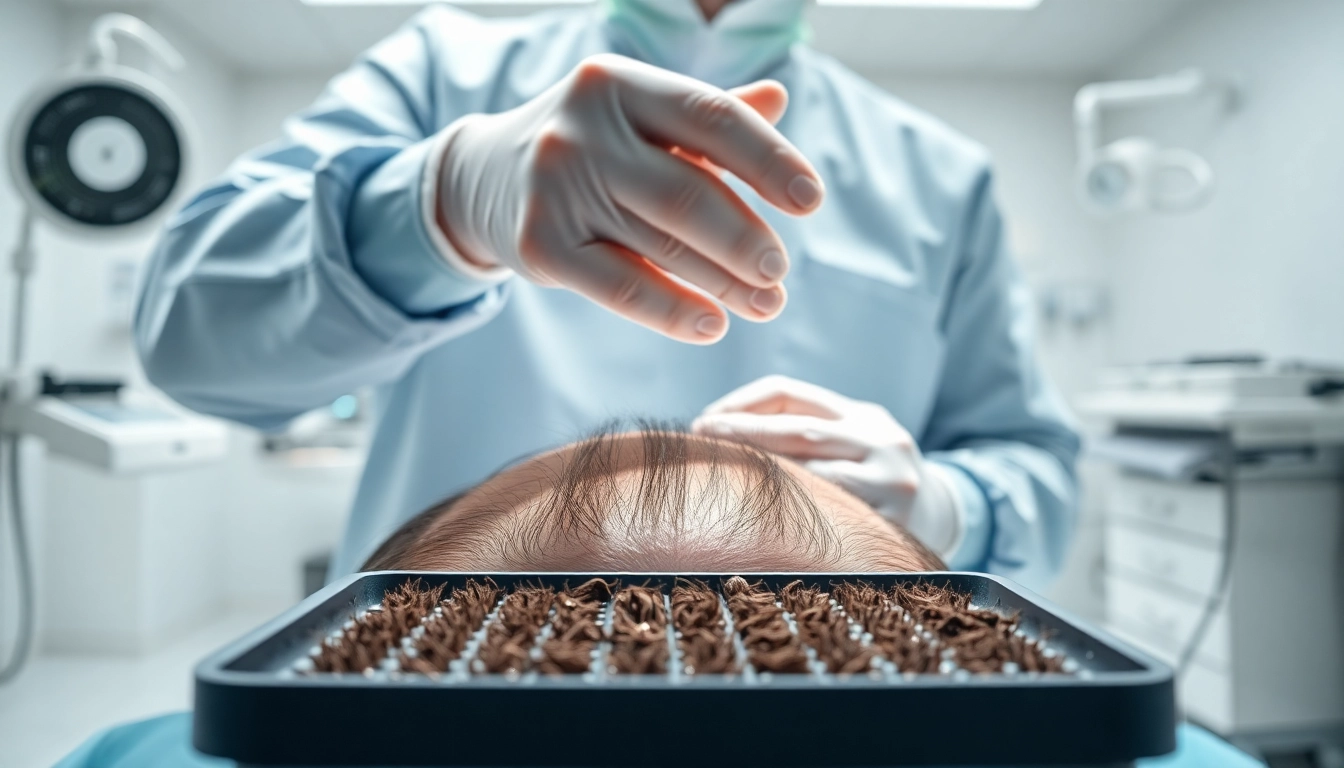
Understanding Hair Transplant
What is Hair Transplant?
A hair transplant is a surgical procedure that involves relocating hair follicles from a section of the body with healthy hair, known as the “donor site,” to areas experiencing thinning or no hair, referred to as the “recipient site.” This method is commonly used to treat various forms of hair loss, including male and female pattern baldness. It aims to restore fuller hair in a natural-looking manner, significantly enhancing the patient’s appearance and self-esteem. For detailed insights, you can explore hair transplant options.
How Hair Transplant Works
The hair transplant procedure can be broken down into several stages, primarily involving the extraction of follicles and their transplantation into balding areas. Initially, the patient is administered anesthesia to ensure comfort during the process. Following this, the surgeon either removes a strip of scalp (FUT) or extracts individual follicles (FUE). The harvested follicles are then meticulously implanted into tiny incisions made in the recipient area, ensuring natural orientation and density for the best aesthetic outcome.
Choosing the Right Candidates for Hair Transplant
Not everyone is a suitable candidate for a hair transplant. Ideal candidates are individuals experiencing thinning hair or baldness not caused by underlying medical conditions. Patients must have sufficient healthy hair at the donor site to facilitate follicular extraction. Age is also a consideration; younger patients may need to explore other options if their hair loss is still progressing. A comprehensive evaluation by a qualified surgeon is crucial to determining one’s candidacy.
Types of Hair Transplant Techniques
Follicular Unit Extraction (FUE)
The Follicular Unit Extraction (FUE) technique involves the harvesting of individual hair follicles directly from the scalp using a punch tool. This minimally invasive method leaves tiny, hardly noticeable scars and allows for quicker recovery compared to traditional techniques. FUE is preferred by many due to its natural results and lower risk of complications.
Follicular Unit Transplantation (FUT)
In contrast, Follicular Unit Transplantation (FUT) entails removing a strip of skin from the donor site, and then dissecting it into individual follicular units. This method can yield a higher number of grafts in one session, making it suitable for patients requiring extensive coverage. Still, FUT may result in a more prominent linear scar and requires a longer recovery period.
Robotic Hair Transplant Technology
Innovations in hair restoration have led to the advent of robotic hair transplant technology like ARTAS. Using advanced algorithms and imaging, robotic systems assist surgeons in harvesting and implanting follicles with high precision. This method offers benefits like reduced graft damage and enhanced aesthetic outcomes, pushing the boundaries of traditional hair transplant techniques.
The Benefits of Hair Transplant
Permanent Solution for Hair Loss
One of the most significant advantages of hair transplant surgery is its permanence. Once transplanted, the hair follicles retain their genetic properties, enabling them to grow hair like they would in their original location. This makes hair transplant a long-lasting solution for individuals suffering from hair loss, unlike temporary methods such as wigs or hair pieces.
Natural-Looking Results
When performed by an experienced surgeon, results from hair transplant surgeries can be incredibly natural-looking. Modern techniques, particularly FUE, ensure that hair follicles are implanted in a way that mimics natural hair growth patterns. As a result, patients enjoy fuller, denser hair that looks authentic, allowing them to feel more confident.
Boosting Self-Confidence
Beyond aesthetic improvements, successful hair restoration can significantly boost self-esteem and self-confidence. Individuals who have undergone the procedure often report feeling more satisfied with their appearance, leading to improved social interactions and overall quality of life. The psychological benefits complement the physical changes, making it a worthwhile investment for many.
Costs Involved in Hair Transplant
Factors Influencing Hair Transplant Cost
The cost of a hair transplant can vary considerably based on several factors, including the technique used, the surgeon’s expertise, the clinic’s reputation, and the geographic location. Other influences might include the number of grafts needed and any accompanying services such as consultation or post-operative care. On average, patients should expect to invest several thousand dollars for the procedure.
Comparing Costs Across Techniques
Typically, FUE tends to be more expensive than FUT due to its precision and labor-intensive nature. While FUT may offer a lower upfront cost for larger grafts, the potential for visible scarring could necessitate additional expenses for post-operative care. Patients should carefully weigh both techniques concerning their budget and aesthetic goals before deciding.
Financing Options Available
Many clinics offer financing options to help make hair transplant procedures more accessible. These can include payment plans, medical credit cards, or partnerships with third-party financing companies. Patients are encouraged to inquire about potential financing so they can manage their investment in a way that fits their financial situation.
Post-Operative Care and Considerations
What to Expect After Hair Transplant
Following a hair transplant, patients can anticipate certain post-operative effects such as mild swelling, redness, and scabbing in the affected areas. These symptoms are typically temporary and should subside within a few days. Patients will receive specific aftercare instructions, including guidance on proper washing techniques and activity restrictions to ensure optimal healing and hair growth.
Managing Discomfort and Side Effects
While pain is generally minimal during and after the procedure due to anesthesia, some discomfort may arise. Over-the-counter pain relievers are usually sufficient to manage any postoperative pain. Patients should also avoid strenuous activities and direct sunlight exposure during the initial recovery phase to prevent further irritation and promote healing.
Long-Term Maintenance After Hair Transplant
Long-term maintenance is essential for achieving the best results from a hair transplant. Following a healthy diet, staying hydrated, and possibly using topical hair growth treatments can enhance hair health. Regular follow-ups with the surgeon may be required to monitor the progress and address any concerns that may arise in the years following the procedure.
Frequently Asked Questions
How painful is a hair transplant?
The procedure is not typically painful due to anesthesia used during the surgery. Some patients may feel mild discomfort or pressure, but this is manageable with over-the-counter pain relievers after the procedure.
Is hair transplant 100% successful?
While hair transplant surgery boasts a high success rate, typically over 90%, complete success is not guaranteed. Factors like patient health and adherence to post-operative care can significantly influence results.
Can women undergo hair transplant?
Yes, women can also have hair transplants. Female pattern hair loss is common, and many women seek surgical options to restore their hairline and volume effectively.
What is the recovery time for a hair transplant?
Most patients can return to normal activities within a week, although complete healing might take several months. Initial hair shedding is common, and new growth typically begins after a few months.
Are there any side effects of hair transplant?
Common side effects include swelling, redness, and minor discomfort at the transplant site. In rare cases, infections or scarring may occur. Following post-operative care guidelines minimizes these risks.