
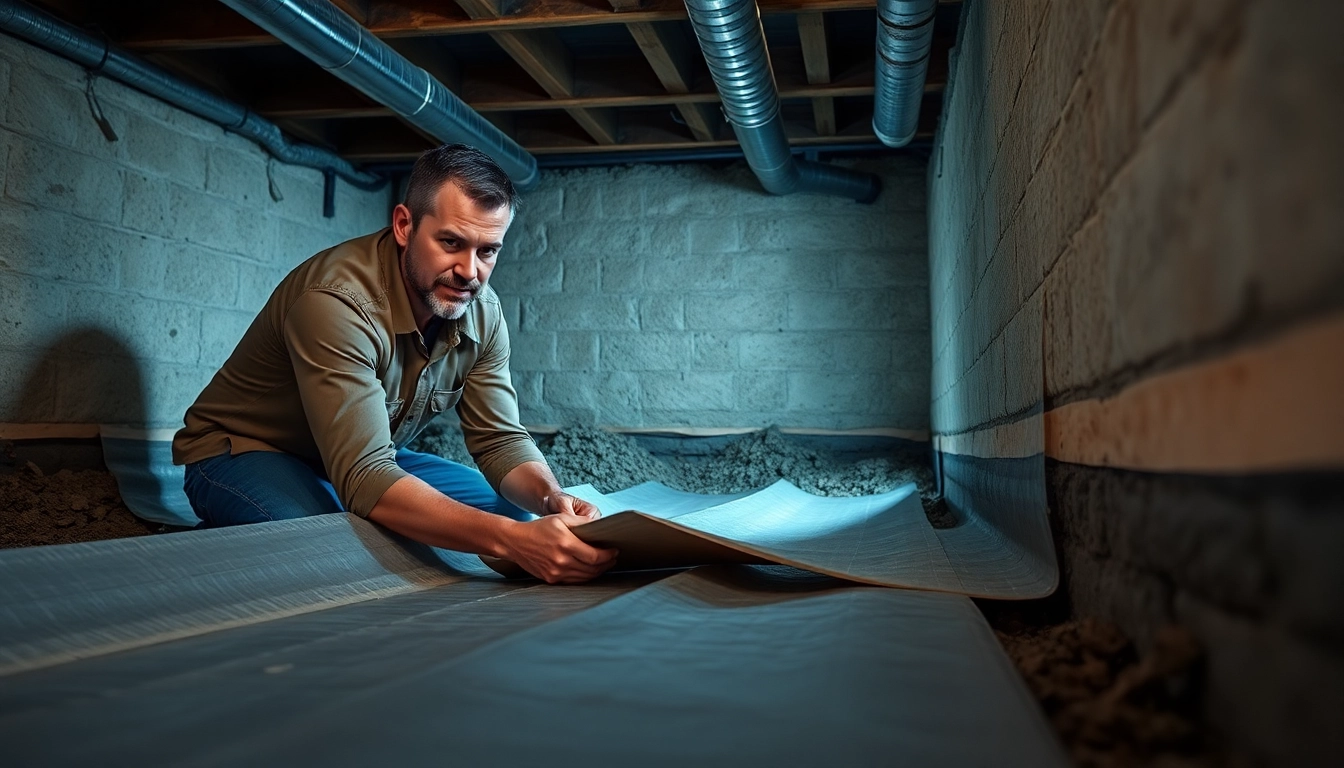
Understanding Vapor Barriers
What is a Vapor Barrier?
A vapor barrier, also known as a moisture barrier, is a material that restricts the flow of moisture from the ground or outside environment into a building’s structure. Typically made of polyethylene plastic, vinyl sheets, or specialized coatings, vapor barriers serve as an essential component in the protection of both residential and commercial spaces. Their primary function is to keep buildings dry by preventing the infiltration of moisture, which can lead to a host of problems, including mold growth, wood rot, and structural damage.
Importance of Vapor Barrier Installation
The significance of proper Vapor Barrier Installation cannot be overstated. A well-installed vapor barrier prevents moisture buildup, which is especially crucial in areas prone to high humidity or flooding. By controlling moisture levels, vapor barriers help improve indoor air quality, enhance energy efficiency, and prolong the lifespan of building materials. Moreover, many building codes now require vapor barriers in certain situations to ensure the safety and comfort of occupants.
Common Myths Debunked
Despite the importance of vapor barriers, several myths persist about their functionality and necessity:
- Myth 1: Vapor barriers are unnecessary in dry climates.
In reality, moisture can still enter buildings from various sources, making vapor barriers important regardless of climate. - Myth 2: Vapor barriers completely eliminate moisture.
While they are effective in reducing moisture ingress, they are not a standalone solution and should be part of a comprehensive moisture control strategy. - Myth 3: All vapor barriers are the same.
Different environments and construction methods require specific types of vapor barriers for optimal effectiveness.
When and Where to Install Vapor Barriers
Identifying Moisture-Prone Areas
Before installing a vapor barrier, it’s essential to identify which areas are most susceptible to moisture intrusion. Common moisture-prone areas include:
- Basements and crawl spaces
- Bathrooms and kitchens
- Attached garages
- Spaces behind walls
Additionally, homes located near bodies of water or in regions with heavy rainfall should prioritize vapor barrier installation.
Seasonal Considerations for Installation
Timing can significantly impact the installation process. Generally, it’s advised to install vapor barriers during dry seasons to ensure the materials adhere properly and minimize the risk of trapping moisture. Spring or early summer is ideal for completion, allowing ample time for inspections before addressing temperature fluctuations in winter months.
Different Types of Vapor Barriers
Choosing the right type of vapor barrier is critical based on the location and intended use. The main categories include:
- Polyethylene sheets: Commonly used in crawl spaces, they come in various thicknesses (typically 6 to 20 mil).
- Foil barriers: Reflective materials that block both moisture and radiant heat, suitable for attics.
- Paint-on membranes: Liquid applied barriers offering versatility in various applications.
Consultation with a professional can help determine the best option for your situation.
Step-by-Step Guide to Vapor Barrier Installation
Preparation: Tools and Materials Needed
Before commencing the installation, gather the following tools and materials:
- Vapor barrier material (polyethylene or other)
- Utility knife and scissors
- Construction adhesive or tape
- Measuring tape
- Ground cover (if installing in a crawl space)
- Protective gear (gloves, mask)
Ensuring you have all necessary materials can streamlining the process and prevent interruptions.
Installation Process Explained
Follow these steps to install your vapor barrier effectively:
- Clear and prepare the area, removing any debris, sharp objects, or obstructions.
- Lay down a ground cover if necessary, especially in crawl spaces, to prevent any ground moisture.
- Unroll the vapor barrier across the designated area, overlapping seams by at least 12 inches and securing them with tape.
- Seal edges around walls and other openings meticulously to block moisture from penetrating.
- Conduct final checks to ensure there are no gaps or air leaks in the installation.
Any moisture seeping through gaps can render the barrier ineffective, defeating its purpose.
Testing for Effectiveness
Once installed, it’s critical to test the vapor barrier’s effectiveness. This can be done by:
- Checking for condensation on the surface of the barrier.
- Monitoring humidity levels in the area with a hygrometer.
- Inspecting for any signs of water intrusion after heavy rainfall.
Effective testing ensures that your investment in a vapor barrier yields the desired results.
Common Challenges in Vapor Barrier Installation
Addressing Ground Moisture
One of the primary challenges homeowners face is managing moisture from the ground. Implement techniques such as using gravel as drainage medium, installing a sump pump, or enhancing ventilation to mitigate this issue. If groundwater is a persistent problem, consulting with a waterproofing specialist may be required.
Dealing with Obstructions
During installation, you may encounter existing structural elements like posts, pipes, or wiring. Use a utility knife to carefully trim around these obstructions while ensuring that the integrity of the barrier is maintained. If significant obstructions exist, consider custom-cut vapor barrier sections for a proper fit.
Preventing Air Leaks
A common mistake is overlooking air leaks, which can counteract the effectiveness of vapor barriers. Ensure that all edges are secured with adhesive tapes, and use sealants around any joints or connections to create a complete seal. Regular inspections can help identify and rectify any problematic areas over time.
Maintaining and Monitoring Your Vapor Barrier
Regular Inspections
Scheduled inspections are essential in ensuring the vapor barrier remains functional. Check for signs of wear and tear, including holes, tears, or any moisture accumulation near the barrier. Monitoring should be done at least once a year, or more frequently in high humidity seasons.
Signs of Failure
There are several indicators that your vapor barrier may be failing, such as:
- Presence of mold or mildew in adjacent areas.
- Musty odors originating from crawl spaces or basements.
- Visible condensation or water pooling on the barrier itself.
If any signs are observed, remediation steps should be taken immediately to restore efficacy.
Repairing or Replacing Barriers
Repairs may involve patching small holes or re-sealing edges, while complete replacements are necessary for extensive damage. For repairs, use compatible materials and secure the patched areas with moisture-proof tape. In the event of a complete barrier failure, following the initial installation process is recommended for replacements.
Frequently Asked Questions
What is the main function of a vapor barrier?
The primary function of a vapor barrier is to control moisture and prevent it from penetrating a building’s structure, which helps protect against mold growth and structural damage.
Where should vapor barriers be installed?
Vapor barriers should be installed in moisture-prone areas such as basements, crawl spaces, kitchens, and bathrooms, especially in regions with high humidity.
Can I install a vapor barrier myself?
Yes, homeowners can install vapor barriers themselves by following proper guidelines and using the right materials, but consulting with a professional is recommended for larger or complex installations.
How often should vapor barriers be inspected?
Vapor barriers should be inspected at least once a year, or more frequently in areas that experience seasonal humidity changes or heavy rainfall.
What should I do if my vapor barrier fails?
If a vapor barrier fails, assess the damage, repair small holes or tears, and replace the entire barrier if necessary to ensure continued moisture protection.