
Maintaining emotional wellbeing is essential for leading a balanced and fulfilling life. Emotional wellbeing involves understanding, managing, and expressing your emotions effectively while maintaining positive relationships and coping with daily challenges. Just like physical fitness, emotional health requires consistent care, attention, and practice. Developing strong emotional wellbeing habits can enhance resilience, reduce stress, and help you respond calmly to life’s ups and downs.
Understanding Emotional Wellbeing
Emotional wellbeing refers to the state of being aware of your emotions, accepting them, and managing them constructively. It is not about suppressing negative feelings but learning to navigate them in a way that supports mental strength and balance. People with strong emotional wellbeing are better equipped to handle stress, maintain healthy relationships, and achieve personal growth.
The Components of Emotional Wellbeing
- Self-awareness – Recognizing and understanding your emotions, thoughts, and triggers.
- Emotional regulation – Managing intense emotions effectively without overreacting.
- Resilience – Recovering from setbacks and adapting to challenges with a positive outlook.
- Healthy relationships – Building supportive connections that nurture emotional health.
- Life satisfaction – Feeling content and finding meaning in everyday life.
Understanding these components helps you identify areas for improvement and adopt habits that support emotional wellbeing.
Daily Habits to Strengthen Emotional Wellbeing
Practicing Mindfulness and Meditation
Mindfulness involves focusing on the present moment without judgment. It allows you to observe your thoughts and feelings calmly. Meditation is a powerful practice that can improve self-awareness and reduce stress.
How to practice:
- Set aside 10–15 minutes daily for meditation.
- Focus on your breath or a calming visual.
- Acknowledge thoughts as they arise, then gently return to your focus.
Real-life example: Emma, a high school student, felt anxious before exams. By practicing mindfulness daily, she learned to calm her racing thoughts and focus better, which improved her performance and emotional balance.
Keeping a Gratitude Journal
Writing down things you are grateful for enhances positivity and emotional resilience. Gratitude helps shift focus from negative events to positive aspects of life.
Tips for journaling:
- List three things you are grateful for each day.
- Reflect on why these things matter to you.
- Include both big achievements and small joys.
Gratitude journaling strengthens emotional wellbeing by promoting optimism and reducing stress.
Regular Physical Activity
Exercise is not only beneficial for physical health but also crucial for emotional wellbeing. Physical activity releases endorphins, which improve mood and reduce anxiety.
Examples:
- Walking or jogging for 30 minutes a day.
- Yoga or stretching to release tension.
- Team sports or dancing to enhance social connection.
Case study: David struggled with mood swings and low energy. After incorporating daily walks and yoga into his routine, he noticed a significant improvement in his mood and emotional resilience.
Building Healthy Relationships
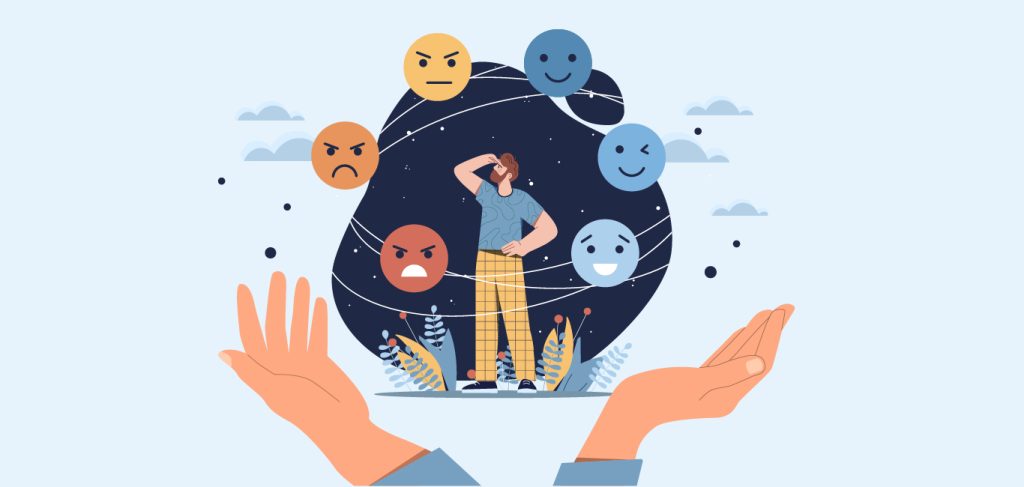
Healthy social connections are vital for emotional wellbeing. Strong relationships provide support, reduce feelings of isolation, and help manage stress.
Ways to build relationships:
- Spend quality time with family and friends.
- Practice active listening and empathy.
- Set healthy boundaries to protect your emotional space.
Real-life example: Sara improved her emotional health by reconnecting with supportive friends and communicating openly about her feelings.
Practicing Self-Compassion
Self-compassion involves being kind to yourself, especially during challenging times. It reduces self-criticism and fosters emotional balance.
Tips:
- Speak to yourself as you would to a friend.
- Acknowledge mistakes without judgment.
- Focus on growth rather than perfection.
Self-compassion strengthens emotional wellbeing by reducing anxiety and promoting resilience.
Setting Realistic Goals
Setting achievable goals provides direction and motivation while preventing frustration. Goals give purpose and encourage personal development.
How to set goals:
- Use SMART criteria (Specific, Measurable, Achievable, Relevant, Time-bound).
- Break large goals into smaller, manageable steps.
- Celebrate progress to maintain motivation.
Case study: Jason, overwhelmed with academic pressure, set small, realistic goals daily. This approach reduced his anxiety and increased his confidence.
Limiting Negative Influences
Reducing exposure to negative environments, social media, or toxic people can protect your emotional wellbeing.
Strategies:
- Take breaks from social media.
- Surround yourself with supportive individuals.
- Practice positive self-talk.
Limiting negativity helps maintain mental clarity and emotional balance.
Developing Healthy Coping Mechanisms
Life is filled with stressors, and healthy coping strategies are crucial for emotional wellbeing.
Examples:
- Deep breathing exercises to calm anxiety.
- Engaging in hobbies like painting, reading, or music.
- Seeking professional support when needed.
Real-life example: Lily managed her work stress by practicing deep breathing and painting daily, which helped her maintain emotional stability.
Prioritizing Sleep and Nutrition
Adequate sleep and balanced nutrition directly impact mood and cognitive function. Poor sleep and unhealthy eating can exacerbate stress and emotional instability.
Tips:
- Maintain a consistent sleep schedule of 7–9 hours.
- Eat balanced meals rich in fruits, vegetables, and protein.
- Avoid excessive caffeine or sugar before bedtime.
Case study: Mark experienced irritability due to poor sleep. After improving his sleep routine and diet, he reported better mood regulation and emotional strength.
Engaging in Personal Development
Continuous learning and self-improvement enhance emotional wellbeing. Developing skills, exploring interests, and reflecting on experiences strengthen confidence and resilience.
Methods:
- Read books or articles on personal growth.
- Attend workshops or online courses.
- Reflect on experiences through journaling.
Personal development supports emotional wellbeing by fostering a sense of achievement and purpose.
Strategies for Maintaining Long-Term Emotional Wellbeing
Regular Reflection and Self-Check
Regularly assessing your emotions helps identify patterns and triggers. Reflection promotes self-awareness and proactive emotional management.
Techniques:
- End-of-day journaling to reflect on emotions.
- Weekly review of emotional highs and lows.
- Adjust habits based on reflections.
Seeking Professional Support
Therapists, counselors, and mental health professionals provide guidance and tools to enhance emotional wellbeing. Professional support is vital when coping becomes challenging.
Signs to seek help:
- Persistent sadness or anxiety.
- Difficulty managing daily responsibilities.
- Strained relationships or social withdrawal.
Incorporating Relaxation Techniques
Relaxation practices reduce stress and improve emotional balance.
Examples:
- Progressive muscle relaxation.
- Visualization and guided imagery.
- Listening to calming music or nature sounds.
Regular relaxation strengthens mental resilience and prevents emotional burnout.
Embracing Positive Mindset Practices
A positive mindset influences emotional wellbeing significantly. Optimism and hope help cope with challenges and maintain emotional balance.
Ways to cultivate positivity:
- Affirm daily strengths and achievements.
- Focus on solutions rather than problems.
- Surround yourself with uplifting environments and people.
Conclusion
Emotional wellbeing is the foundation of mental strength and balance. By practicing habits such as mindfulness, gratitude, physical activity, healthy relationships, self-compassion, and personal development, you can build resilience and navigate life’s challenges with confidence. Maintaining emotional wellbeing requires commitment, reflection, and patience, but the benefits—enhanced mood, reduced stress, stronger relationships, and overall life satisfaction—are invaluable. Start integrating these habits into your daily life today and experience the lasting impact on your mental and emotional health. Explore our homepage now to stay ahead in the digital world.
FAQs
What is emotional wellbeing, and why is it important?
Emotional wellbeing is the ability to recognize, understand, and manage your emotions effectively. It is important because it helps you cope with stress, maintain healthy relationships, and achieve personal growth and balance.
How can I improve my emotional wellbeing daily?
You can improve emotional wellbeing by practicing mindfulness, gratitude, regular exercise, self-compassion, setting realistic goals, and engaging in hobbies. Consistency in these habits enhances mental strength and resilience.
When should I seek professional help for emotional wellbeing?
Seek professional help if you experience persistent sadness, anxiety, difficulty managing daily tasks, or strained relationships. Mental health professionals provide guidance, coping strategies, and support tailored to your needs.


